
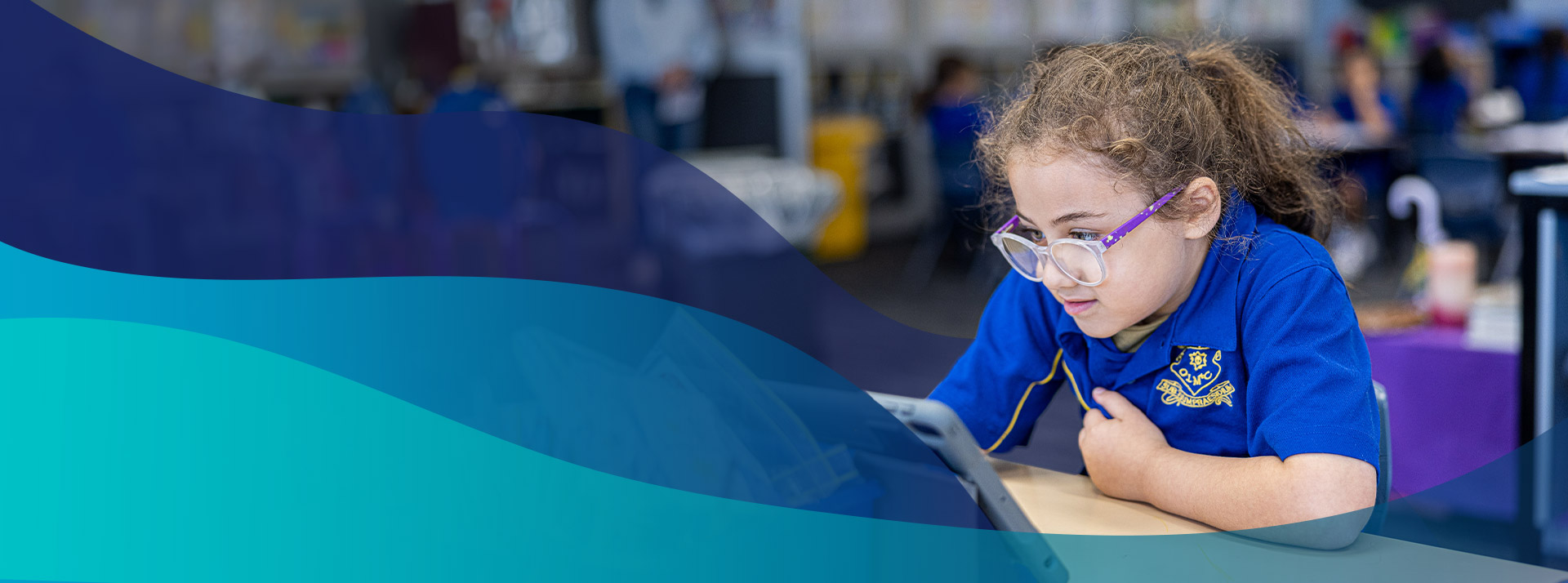

Catholic Education Diocese of Parramatta students had the opportunity to shine when the Captivate performing and creative arts program recently hosted its 10th Anniversary Showcase at Quaycentre, Sydney Olympic Park.
The show combined a spectacular musical ensemble of 165 students, backed up by the 1000-student primary choir and 190-student secondary choir singing songs such as One Dream, Come Back to the Sea, Keep your Lamps Trimmed and Burning and River Run Free.
This was complemented by a dance ensemble of 382 dancers who kept audiences enraptured. There was also a secondary drama ensemble of 90 students and a student ‘spoken word choir’ comprising 80 students from four primary schools.
One of the highlights of the performance was the use of puppetry and props to reflect the showcase’s storyline. The impact of the puppets was dramatic, guiding the audience through show’s theme of ‘creativity’: from the igniting of the creative spark, through to creative play, creative block, creative flow, and finally creative genius. The show’s finale was a stunning performance of Rihanna’s Diamonds in the Sky.

Captivate director Mark Hopkins said that for many students involved, it was their first major public performance.
“Others were consolidating many years of practice, rehearsal and performing, honing their skills for HSC practical examinations in the coming weeks or auditions for specialist post school arts study pathways in the coming months.
“Captivate is the program by which all students, regardless of prior experience or the location of their school, can access specialist learning in the arts.

“With a constant stream of research documenting evidence of the cognitive and social benefits of arts participation and learning, it is vital that such learning is part of each child’s education.”

St Andrew’s Primary, Marayong acting Principal Kim McDonald described the show as a rewarding experience for all those involved.
“Students have been rehearsing since February, both during recess and lunch breaks and also at formal off-site rehearsals with other students in the Diocese as well as during the school holidays,’’ Mrs McDonald said.

“This level of collaboration and creativity has provided opportunities for students to express themselves in a unique way. We are so proud of the students and thank them for their commitment, enthusiasm and persistence over such a long period of time.”

Catholic Schools Parramatta Diocese
www.parra.catholic.edu.au
-
23 Oct 2026
From Facebook
Mission to Busk is on today. If you are unable to attend and would like to donate to Carmel Impact use the link in the comments.
Latest News More news
23 Oct 2026
From Facebook
Mission to Busk is on today. If you are unable to attend and would like to donate to Carmel Impact use the link in the comments.
20 Oct 2026
From Facebook
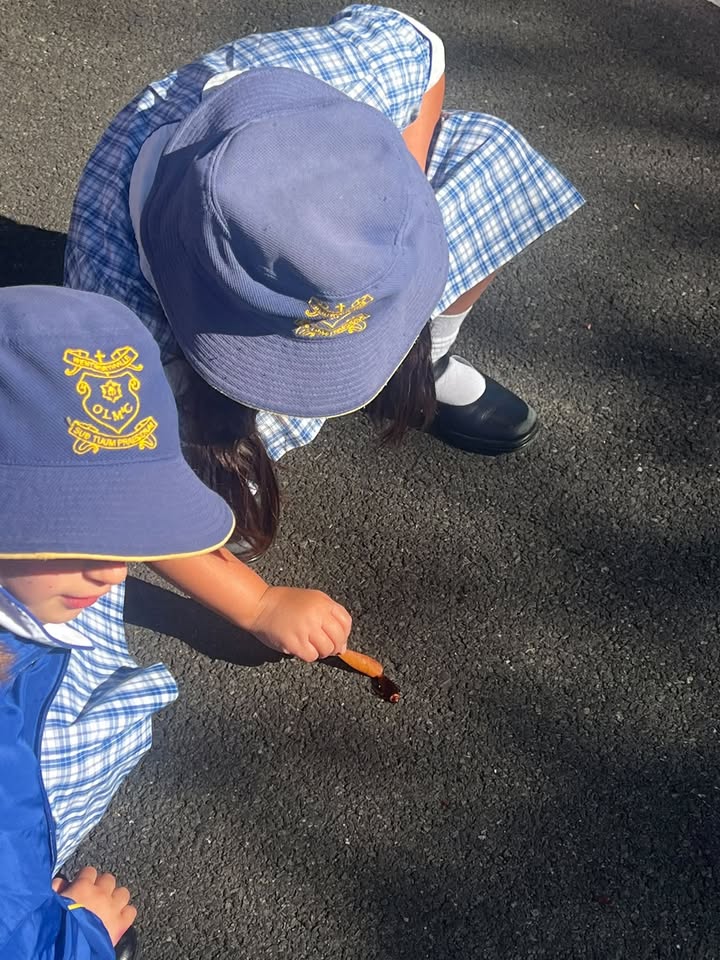
Sometimes the creepy crawlies captivate the children. #PlaygroundExplorers
18 Oct 2026
From Facebook
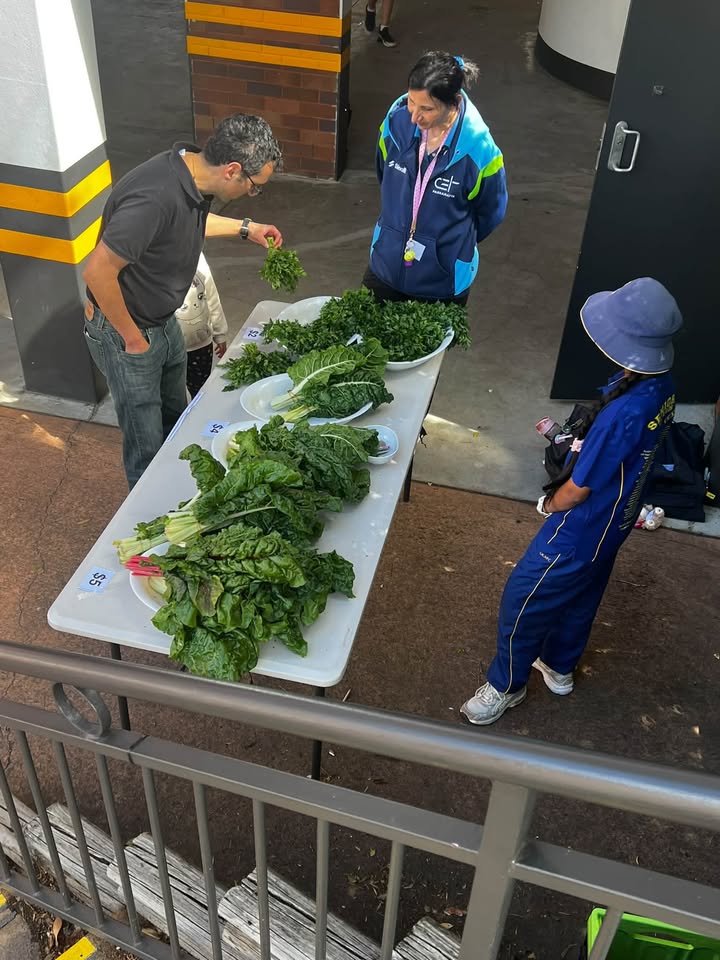
The OLMC Pop-up Veggie Stall 🥦 is open. Our garden team are selling their produce today. All proceeds supporting Carmel Impact.

14 Oct 2026
From Facebook
If you are looking to support breast cancer research you might like to attend this event.

28 Sep 2026
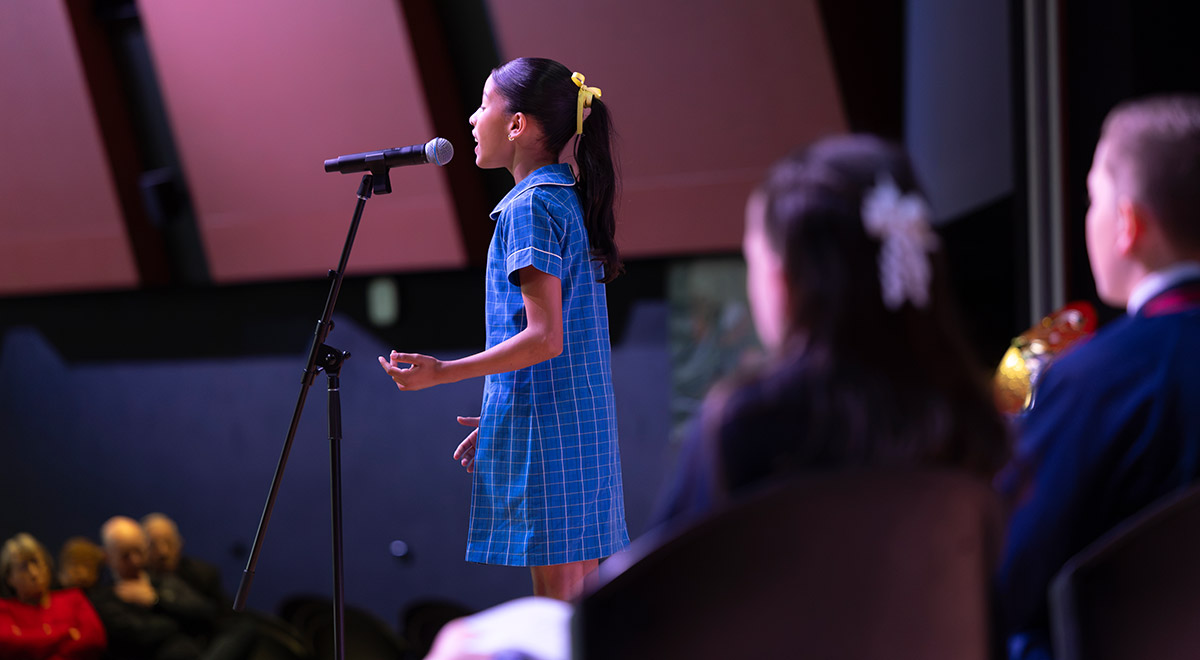
Celebrating 40 years of Voice of Youth and the power of student voice
Six Year 6 students from 58 Catholic Schools Parramatta Diocese (CSPD) Primary schools came together at St John XXIII Catholic College Stanhope Gardens on 22 September for the Voice of Youth Grand Final, showcasing their public speaking skills through a series of thoughtful and engaging speeches.
28 Aug 2026
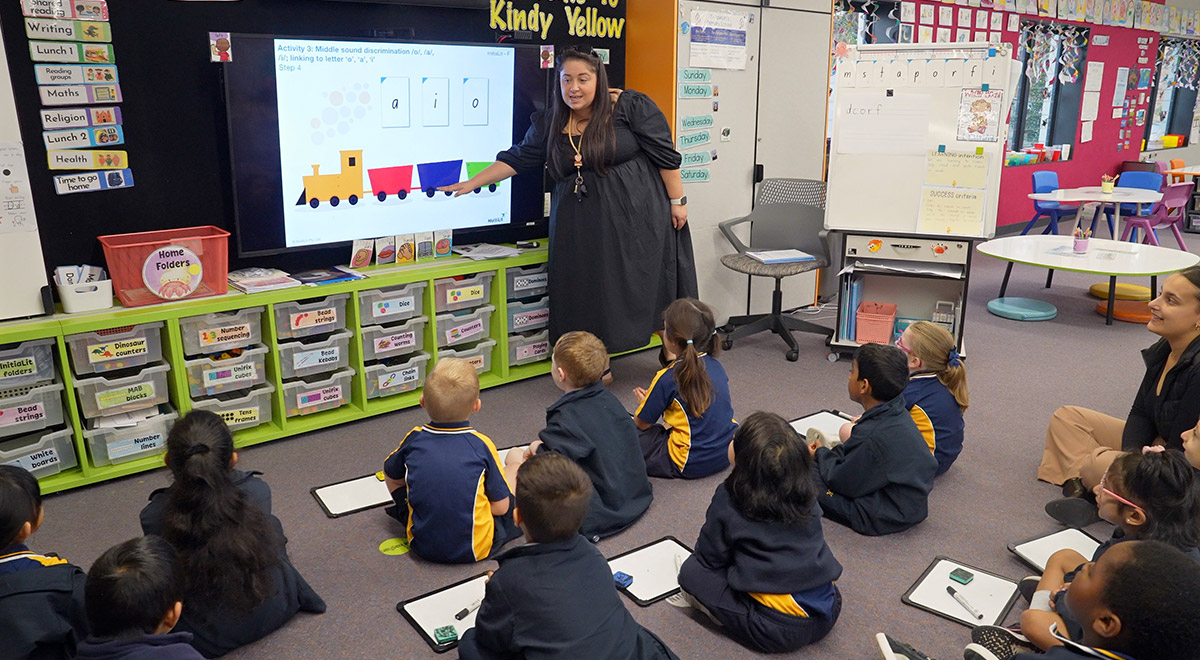
Our schools are cracking the reading code
Do you remember how you learned to read? For a vital skill that is linked to all other learning, it’s surprisingly difficult to explain how to go about learning it.

20 Aug 2026
Six Habits That Help Children Develop a Love of Reading
Book Week is a celebration of stories, imagination and creativity, but helping children love reading isn't just something that happens during one week of the year. The good news? It doesn't take expensive resources or hours of extra time. Often, it's the small, everyday habits that make the biggest difference.
15 Aug 2026