


The community of Our Lady of Mount Carmel gathered together to celebrate the wonderful gift of mothers, grandmothers and mother figures with a mass and morning tea.
After acknowledging the traditional owners of the land, the Dharrug people, students process into the church with numerous symbols representing the gifts our mothers share with us.
After mass concluded the mothers, grandparents and other guests joined the children on the playground for morning tea.
There were many happy faces and hugs shared throughout the morning.
We wish all mothers, grandmothers and mother figures a very Happy Mothers' Day this Sunday.


Our Lady of Mt Carmel | Wentworthville
www.olmcwentworthville.catholic.edu.au
-
23 Oct 2026
From Facebook
Mission to Busk is on today. If you are unable to attend and would like to donate to Carmel Impact use the link in the comments.
Latest News More news
23 Oct 2026
From Facebook
Mission to Busk is on today. If you are unable to attend and would like to donate to Carmel Impact use the link in the comments.
20 Oct 2026
From Facebook
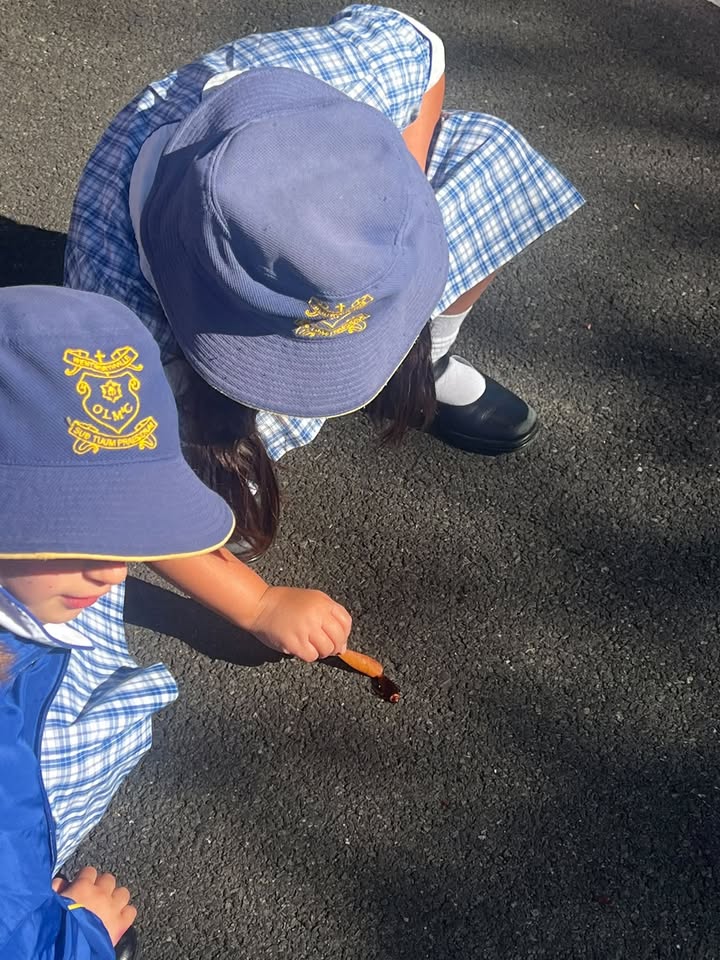
Sometimes the creepy crawlies captivate the children. #PlaygroundExplorers
18 Oct 2026
From Facebook
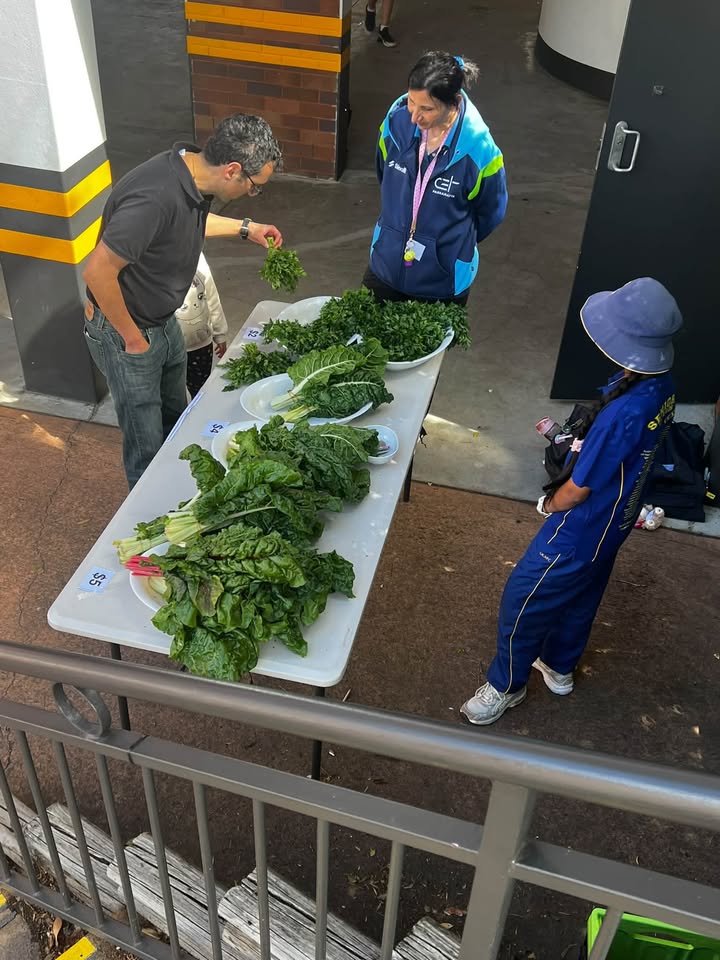
The OLMC Pop-up Veggie Stall 🥦 is open. Our garden team are selling their produce today. All proceeds supporting Carmel Impact.

14 Oct 2026
From Facebook
If you are looking to support breast cancer research you might like to attend this event.

28 Sep 2026
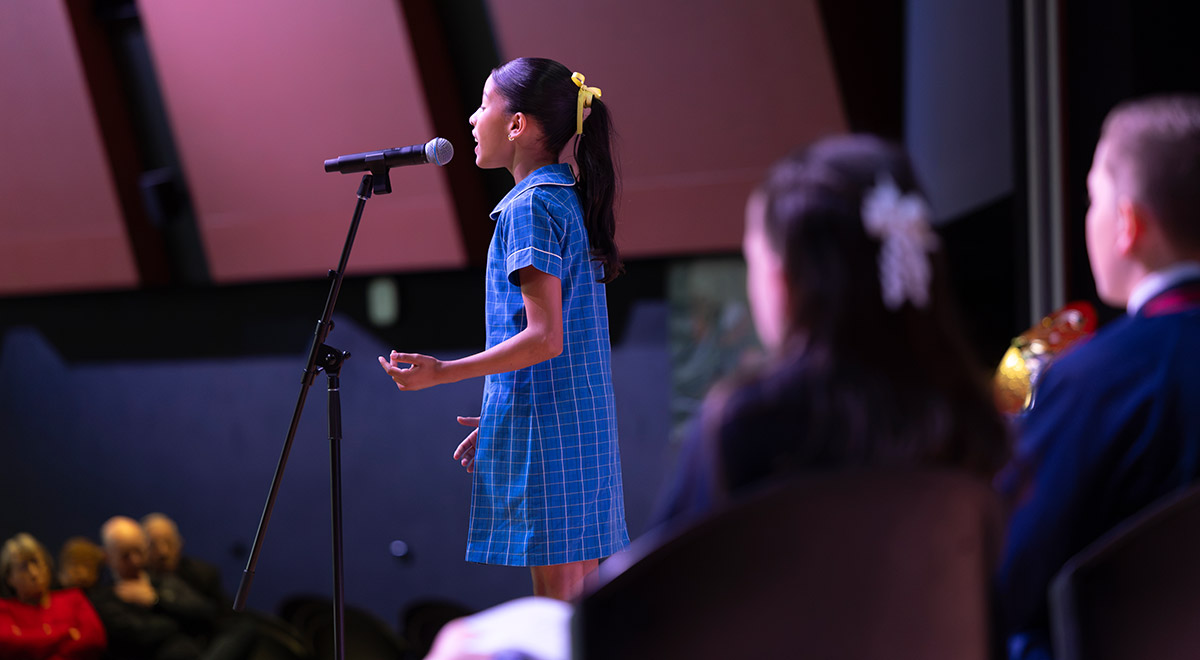
Celebrating 40 years of Voice of Youth and the power of student voice
Six Year 6 students from 58 Catholic Schools Parramatta Diocese (CSPD) Primary schools came together at St John XXIII Catholic College Stanhope Gardens on 22 September for the Voice of Youth Grand Final, showcasing their public speaking skills through a series of thoughtful and engaging speeches.
28 Aug 2026
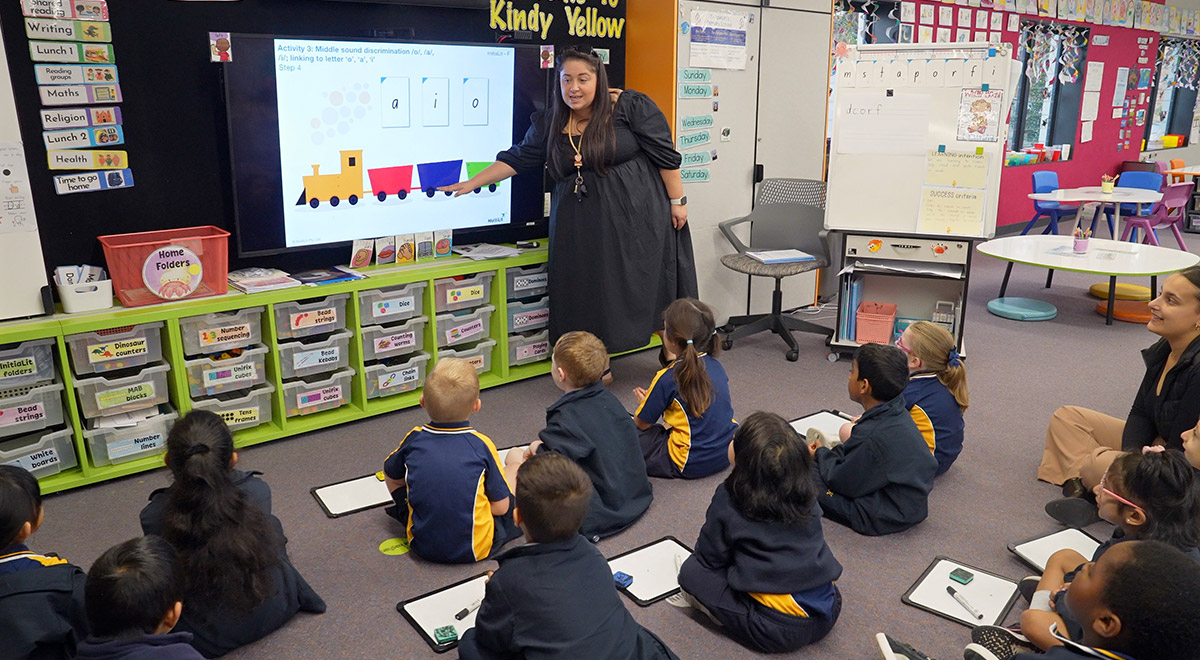
Our schools are cracking the reading code
Do you remember how you learned to read? For a vital skill that is linked to all other learning, it’s surprisingly difficult to explain how to go about learning it.

20 Aug 2026
Six Habits That Help Children Develop a Love of Reading
Book Week is a celebration of stories, imagination and creativity, but helping children love reading isn't just something that happens during one week of the year. The good news? It doesn't take expensive resources or hours of extra time. Often, it's the small, everyday habits that make the biggest difference.

15 Aug 2026