


What a lovely way to start off the school year with parents, teachers and children coming together for the annual OLMC Welcome Picnic on Friday 15th February
It was a pleasure to spend time with families and have the chance to catch up for a chat over a delicious meal.
Thank you to the Parent and Friends Association for coordinating this event and all the parents who helped make it such a success.
Our Lady of Mt Carmel | Wentworthville
www.olmcwentworthville.catholic.edu.au
-
14 Oct 2026
From Facebook
If you are looking to support breast cancer research you might like to attend this event.
Latest News More news

14 Oct 2026
From Facebook
If you are looking to support breast cancer research you might like to attend this event.

28 Sep 2026
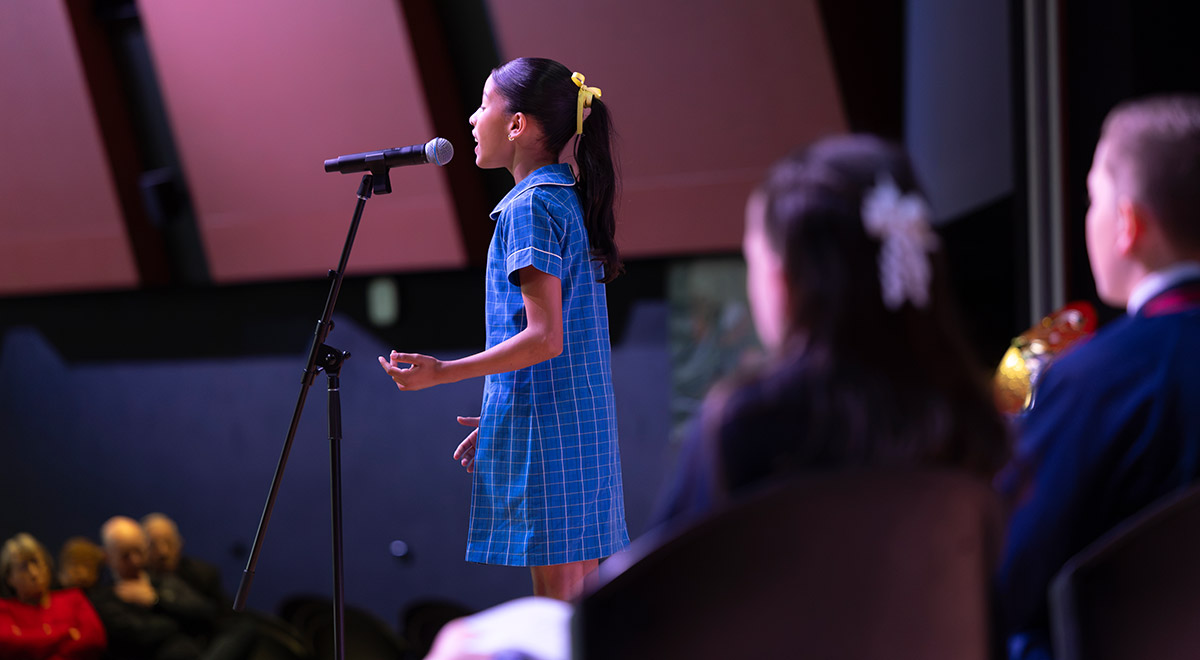
Celebrating 40 years of Voice of Youth and the power of student voice
Six Year 6 students from 58 Catholic Schools Parramatta Diocese (CSPD) Primary schools came together at St John XXIII Catholic College Stanhope Gardens on 22 September for the Voice of Youth Grand Final, showcasing their public speaking skills through a series of thoughtful and engaging speeches.
28 Aug 2026
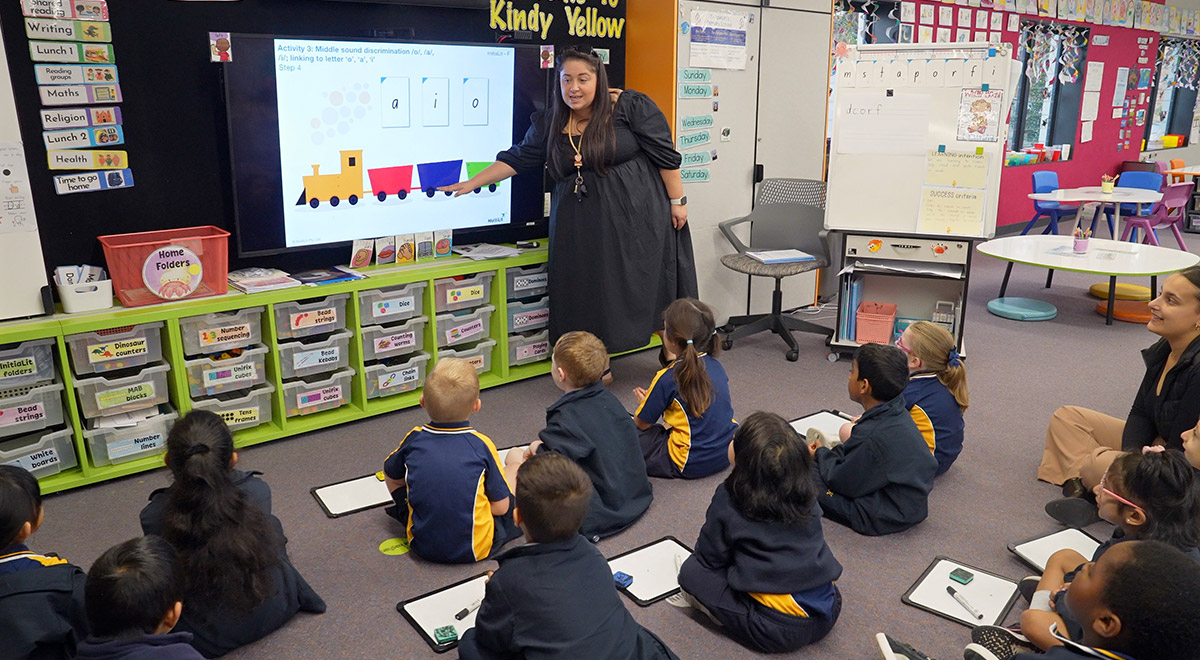
Our schools are cracking the reading code
Do you remember how you learned to read? For a vital skill that is linked to all other learning, it’s surprisingly difficult to explain how to go about learning it.

20 Aug 2026
Six Habits That Help Children Develop a Love of Reading
Book Week is a celebration of stories, imagination and creativity, but helping children love reading isn't just something that happens during one week of the year. The good news? It doesn't take expensive resources or hours of extra time. Often, it's the small, everyday habits that make the biggest difference.
15 Aug 2026
From Facebook
13 Aug 2026
From Facebook
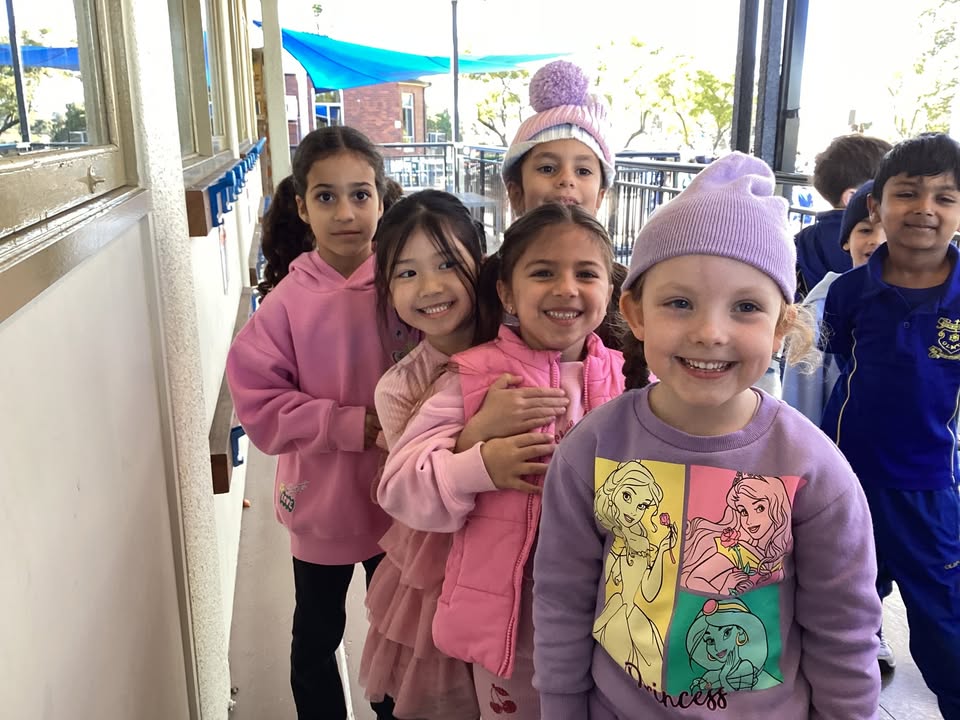
On Friday 31st July, the students of OLMC took part in a whole school Faith in Action initiative: Winter Warmies. Students came to school dressed in their snuggly warm attire, ready to learn a little bit more of the impacts of hardship & homelessness in the lives of everyday Australians. With a warm cup of Milo, sitting around Homeless David in the cold morning air, students were able to visually understand what being homeless might look like. Some of our very thoughtful & compassionate students left some of their recess near David, to enjoy when he woke up. What a beautiful sentiment to witness! Thank you to our parents and carers for your generous donation to our 2026 Vinnies Winter Appeal.
10 Aug 2026
From Facebook
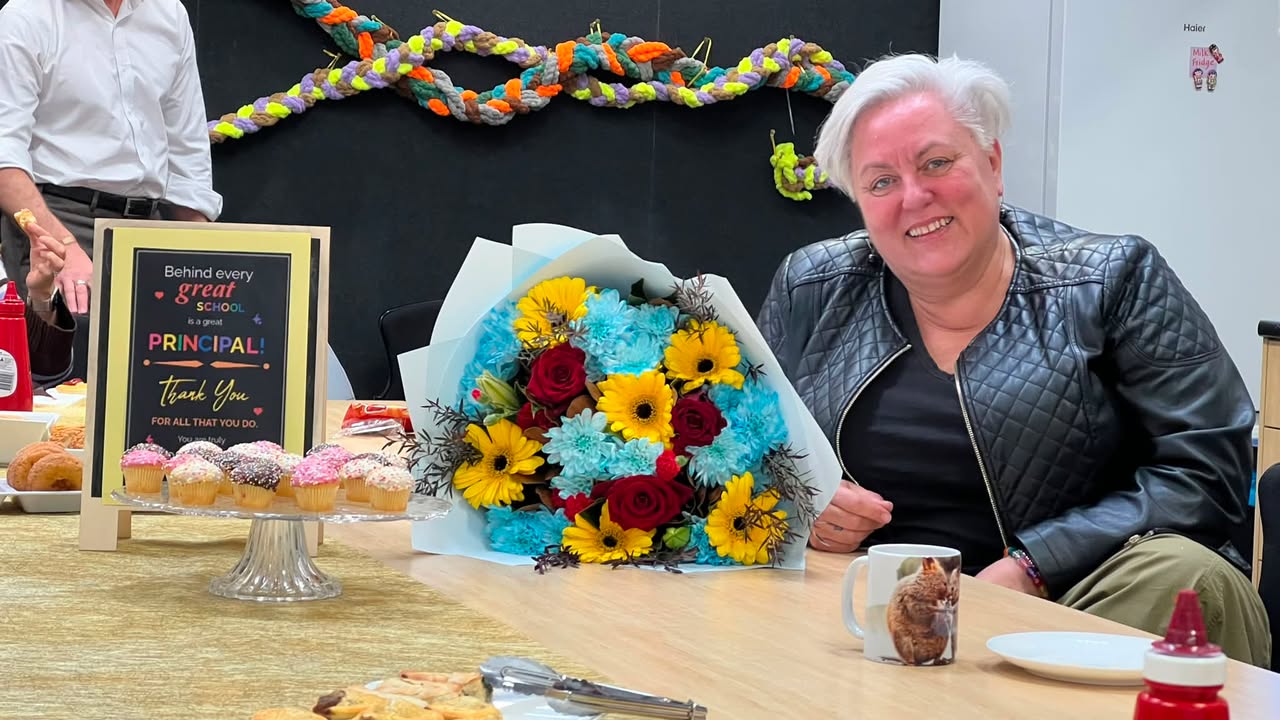
Happy Principal’s Day, Miss Pirovic! Yesterday, we celebrated our wonderful Principal, Miss Pirovic, and gave thanks for her leadership, dedication and care for our OLMC community. Through her leadership, she helps us live out our school values of Compassion, Dignity and Justice, always striving to create a community where every student, family and staff member feels valued and supported. 💙 Thank you, Miss Pirovic, for all that you do for our OLMC community. May Our Lady of Mount Carmel continue to guide and accompany you in your leadership. 🌿 🙏 A Prayer for Our Principal Loving God, we thank You for the gift of Miss Pirovic and for her leadership of our school community. Bless her with wisdom, strength and compassion as she guides us each day. May she continue to lead with dignity, seek justice and serve others with a generous heart. Through the intercession of Our Lady of Mount Carmel, may she be surrounded by Your grace, protected by Your loving care and strengthened in her vocation of service. We ask this through Christ our Lord. Amen.
05 Aug 2026
From Facebook
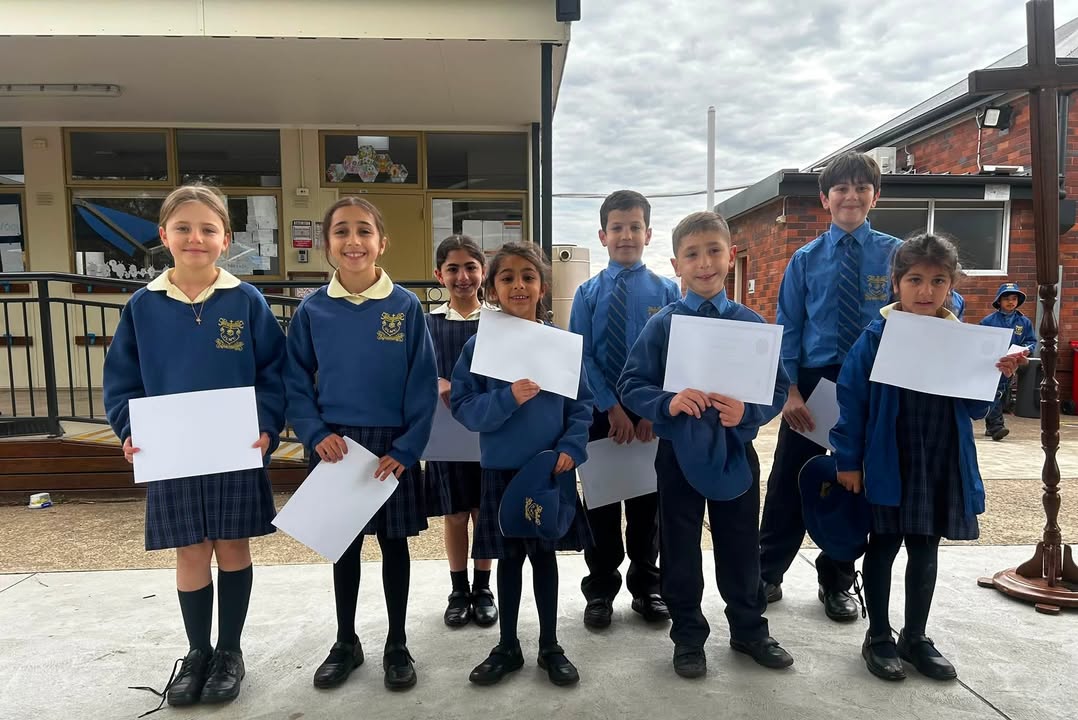
Congratulations to the Week 3 award recipients. Our students are always working to be the best learners they can be.
30 Jul 2026
From Facebook
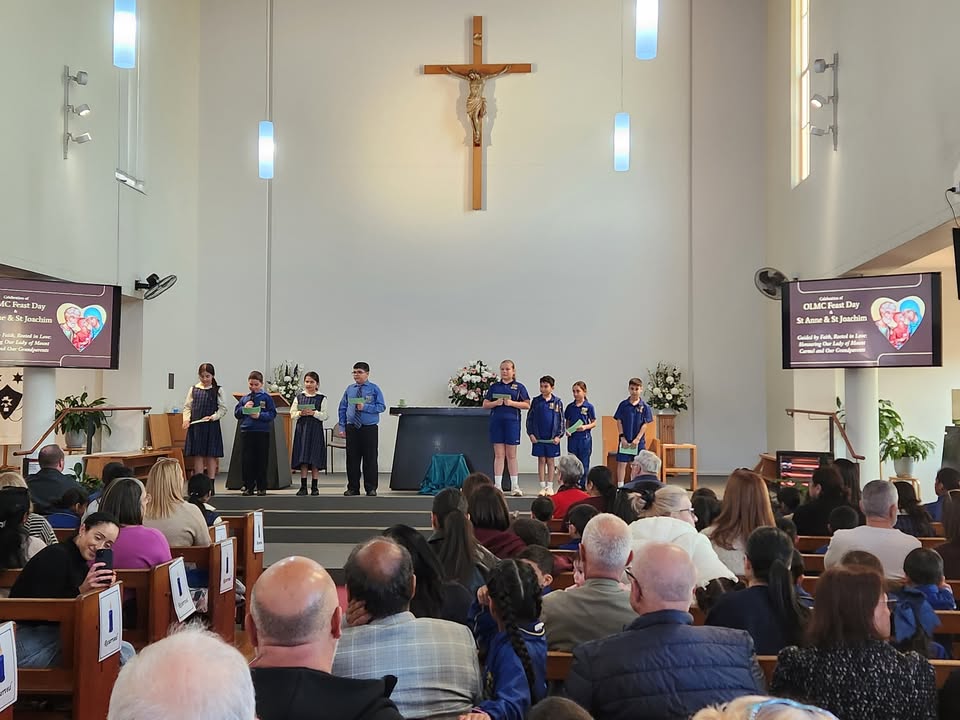
💙 Celebrating Our Lady of Mount Carmel Feast Day & Grandparents Day 💙 What a wonderful day of faith, family and community! Last Friday, we gathered to celebrate the Feast of Our Lady of Mount Carmel while honouring our grandparents and the special people who nurture, guide and love us each day. Our students led a beautiful Mass with reverence and joy before families came together to share a picnic across our school grounds. It was heartwarming to see generations celebrating together, reminding us that our school is truly a community where everyone belongs. A heartfelt thank you to our parish, staff, students, families and grandparents for making the day such a memorable celebration. Our Lady of Mount Carmel, pray for us. 💙 Saints Anne and Joachim, pray for us. 💛