
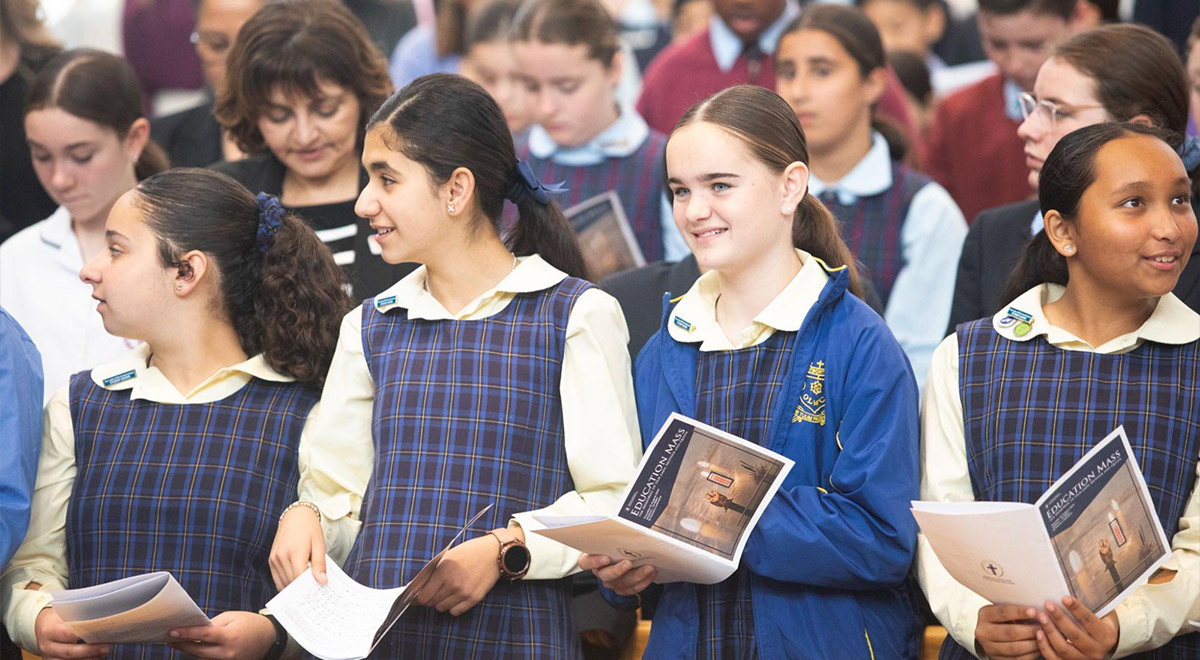
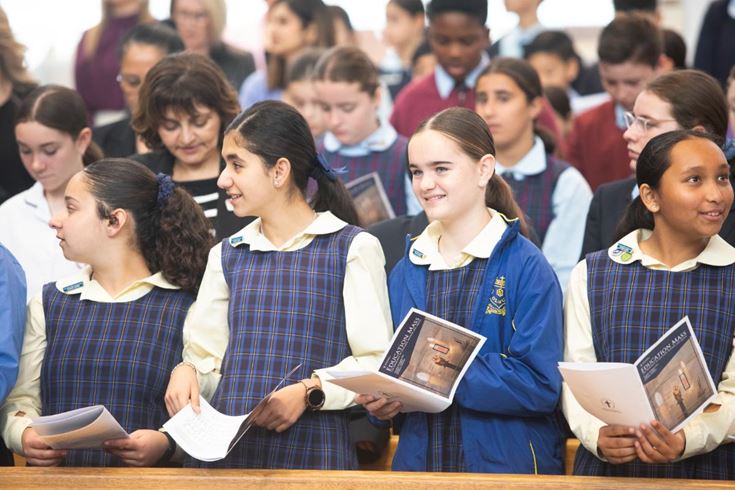
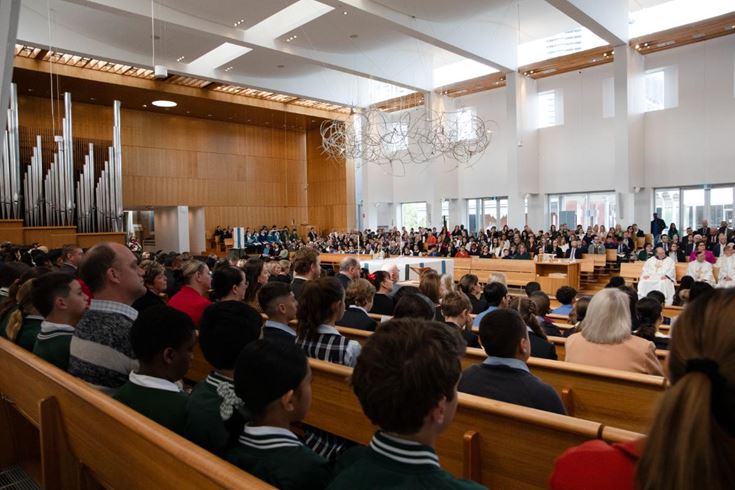
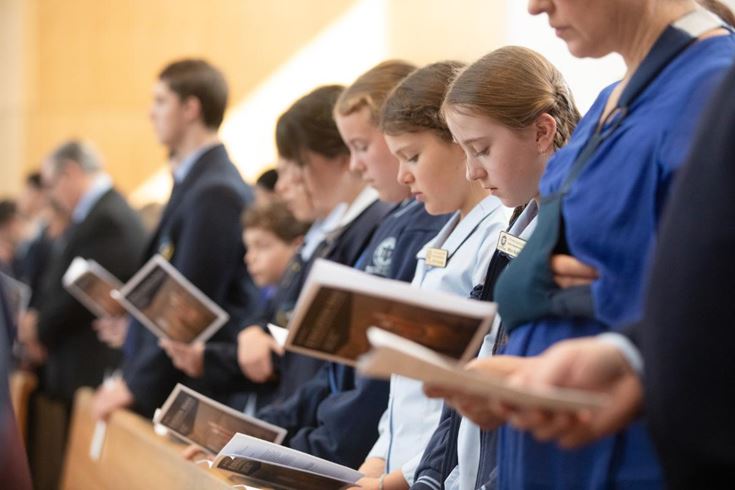
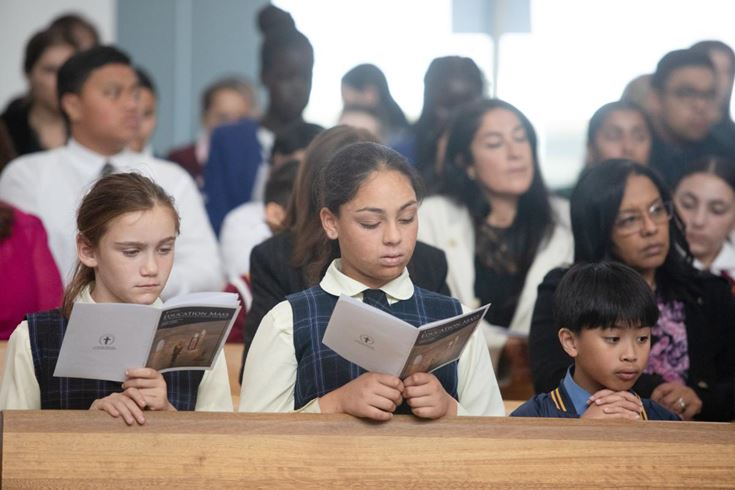
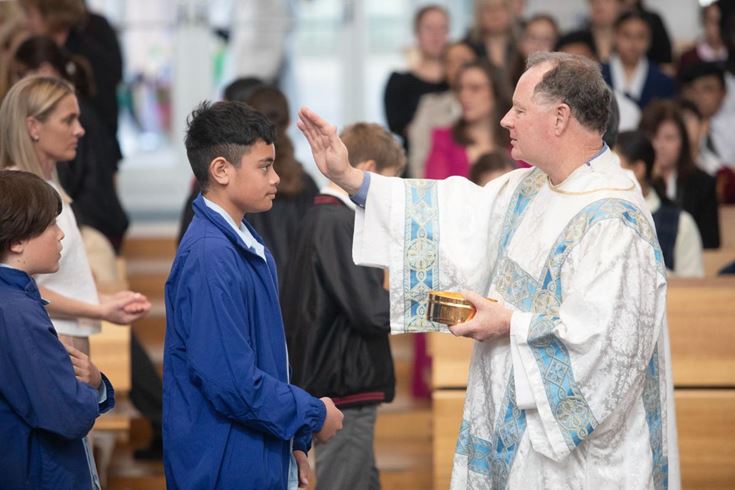
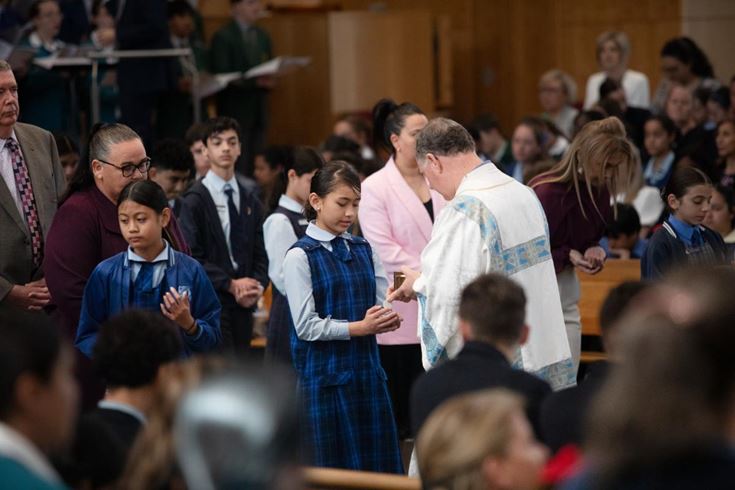
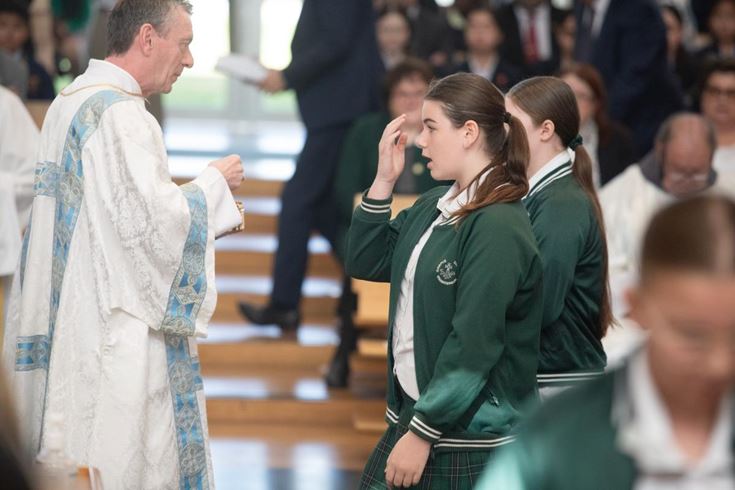
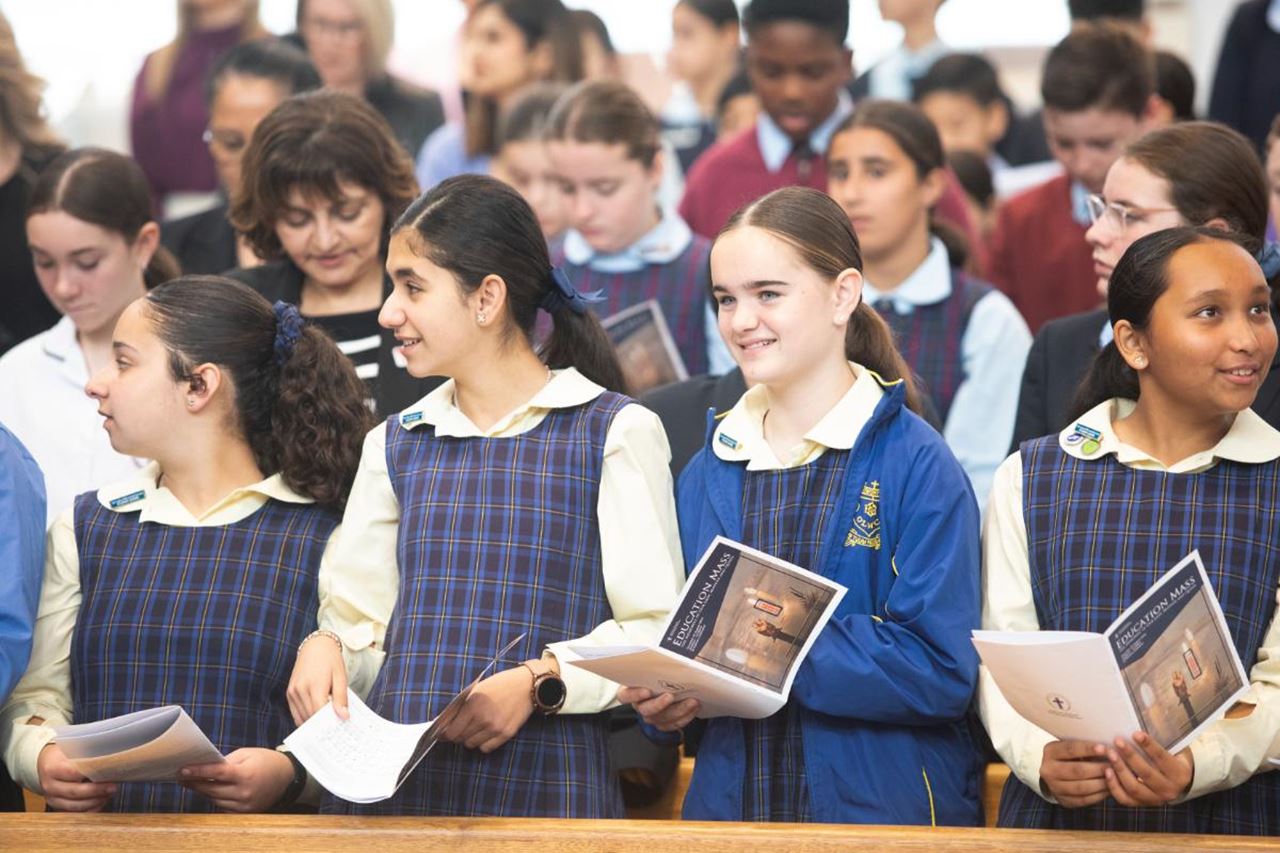
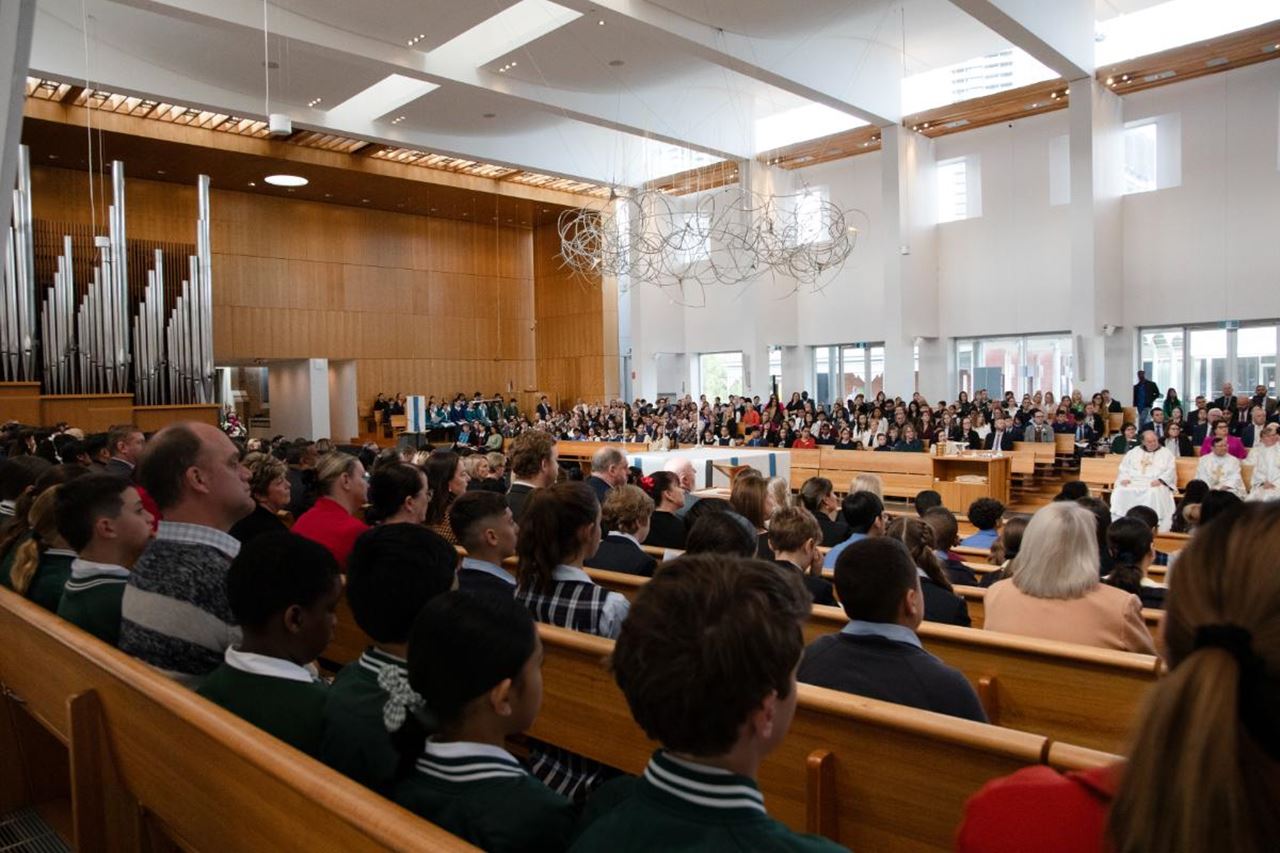
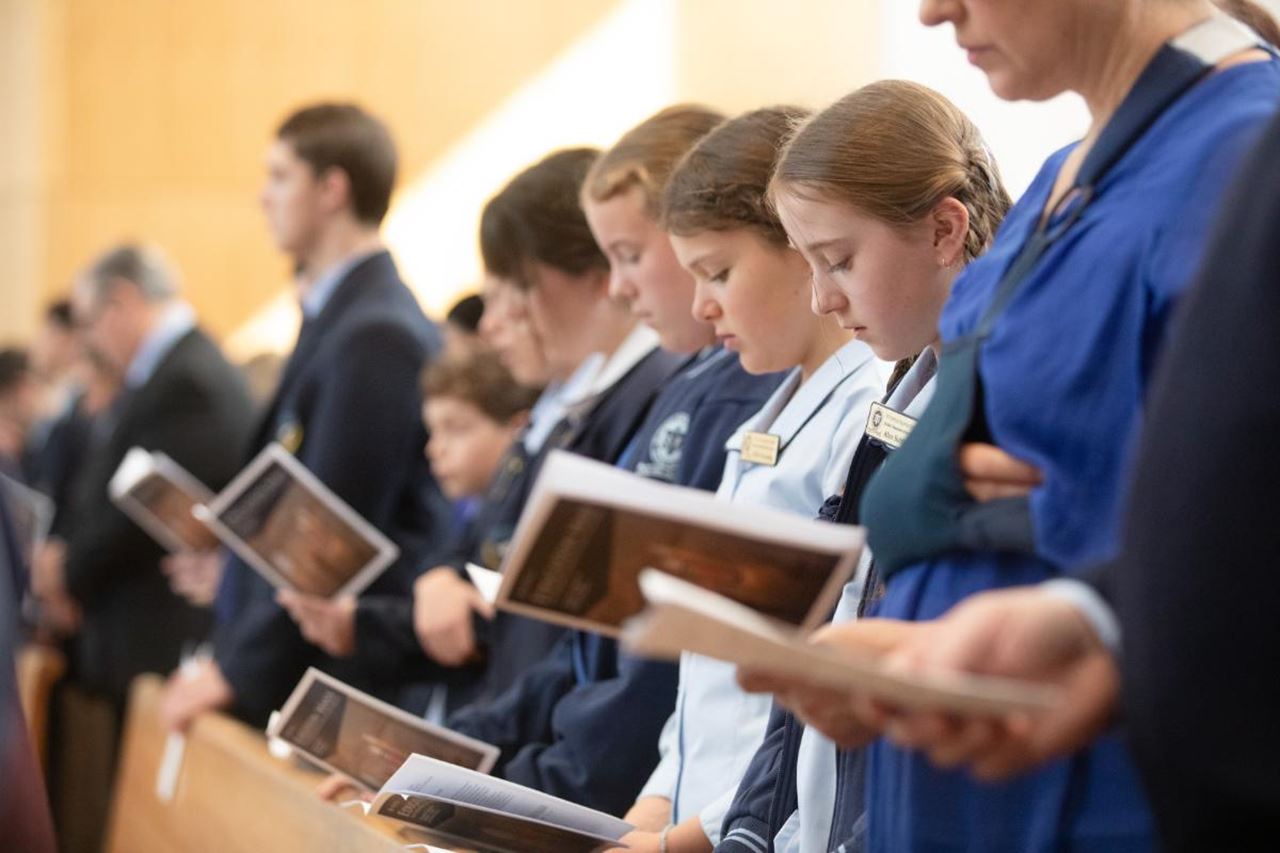
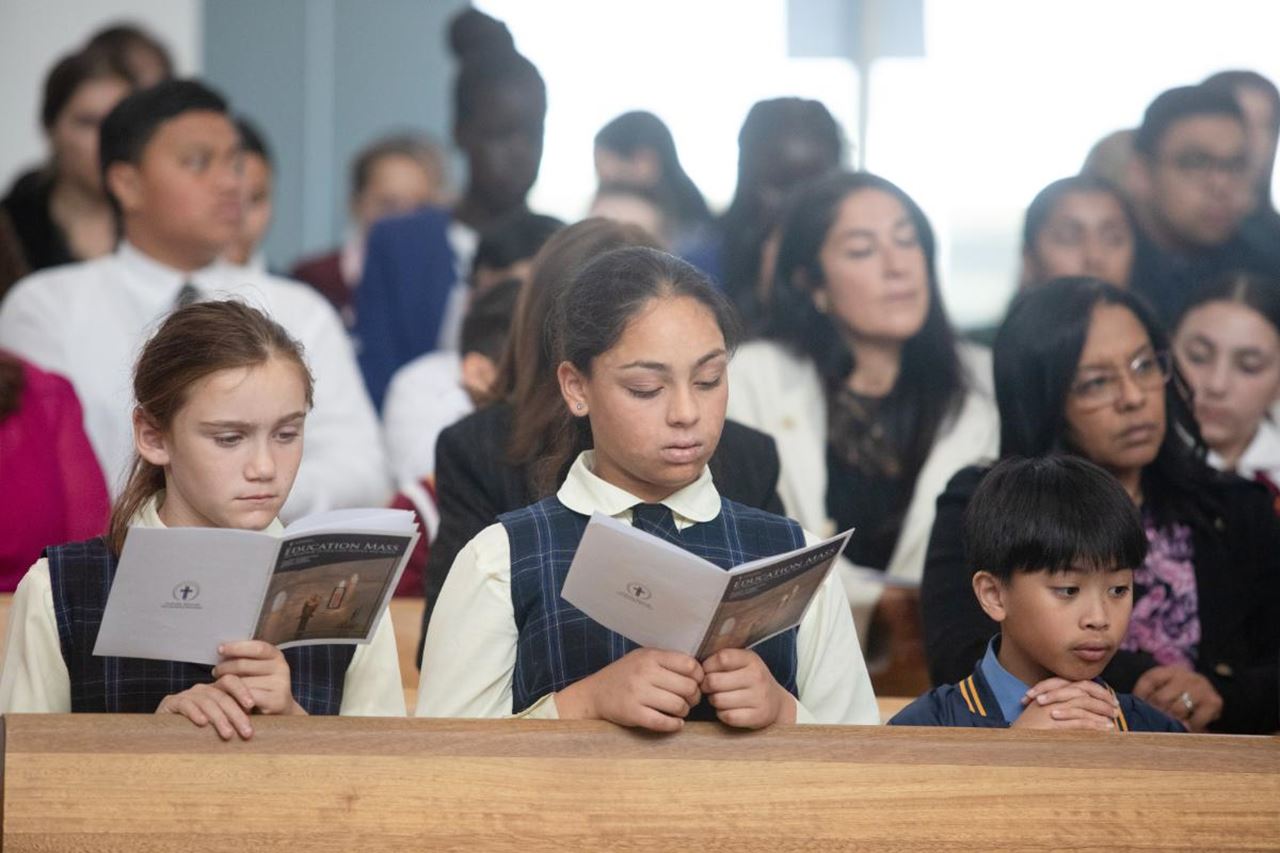
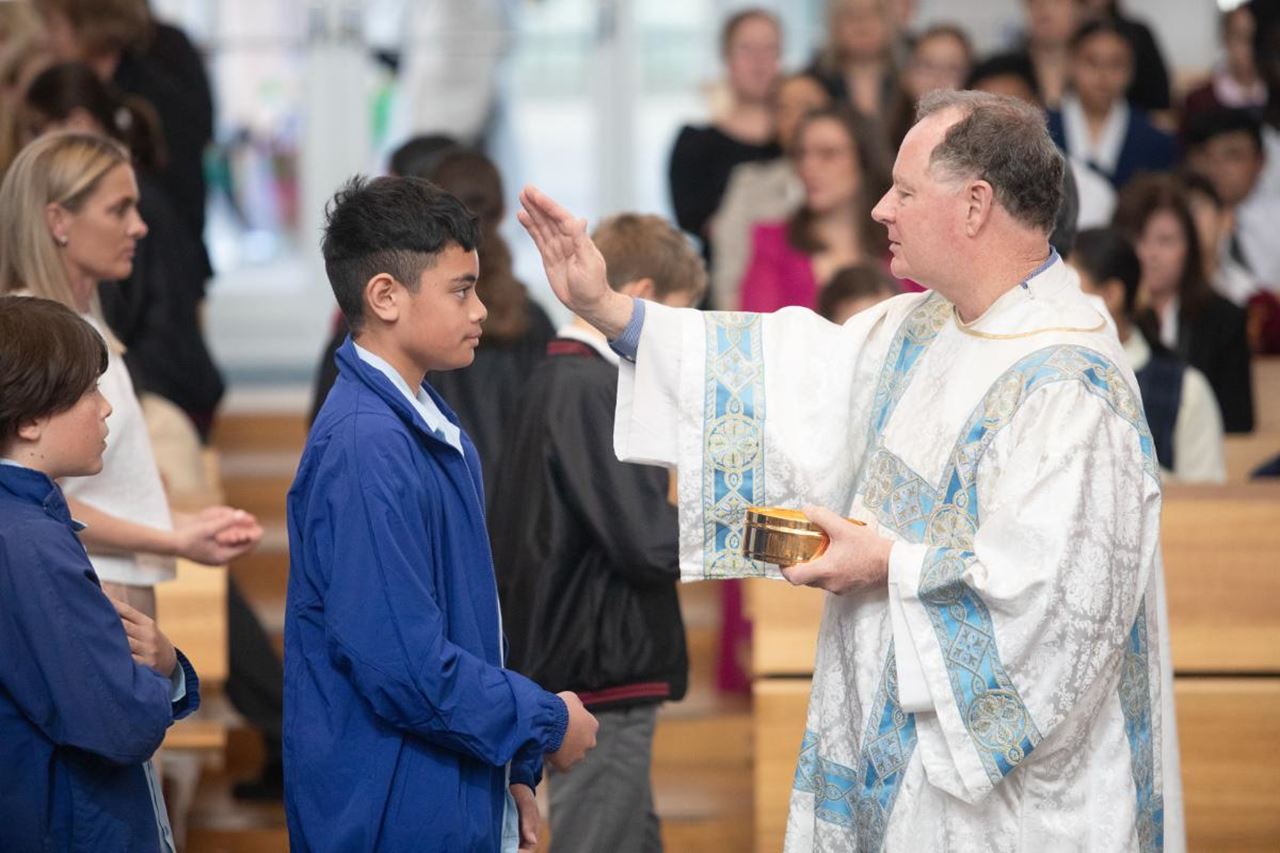
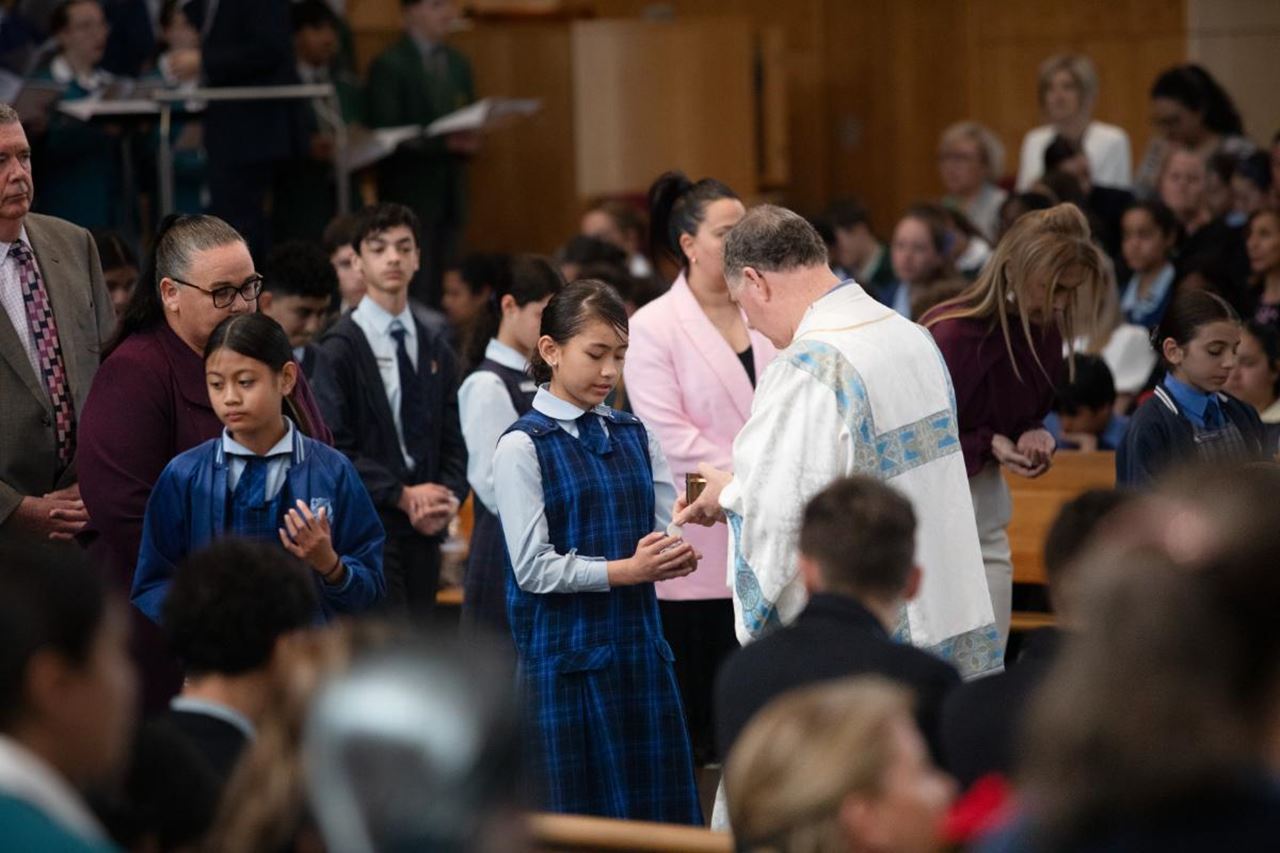
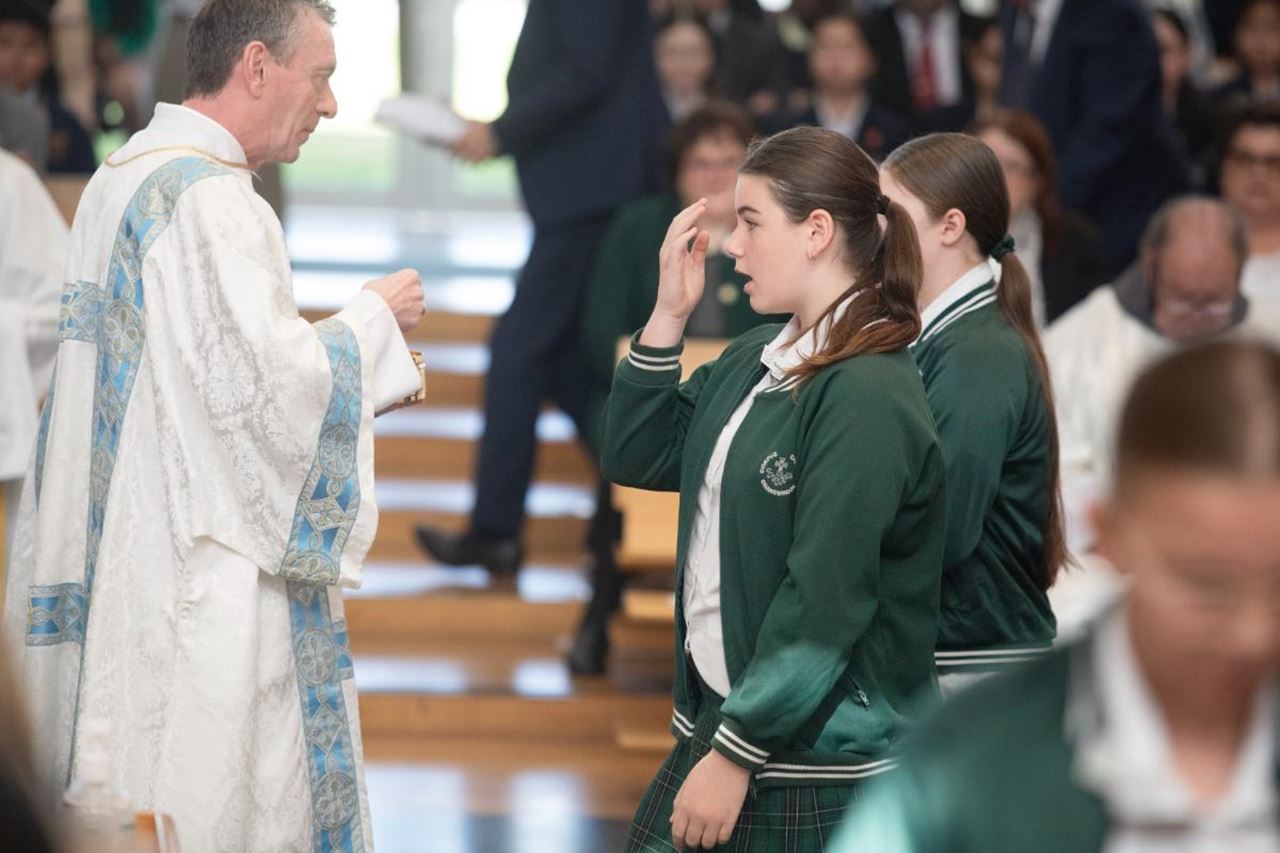
Hundreds of students, parents and carers, teachers and clergy from Catholic schools throughout the Diocese of Parramatta gathered for the 2024 Education Mass to celebrate our schools’ commitment to Faith in Action and their positive engagement in the community.
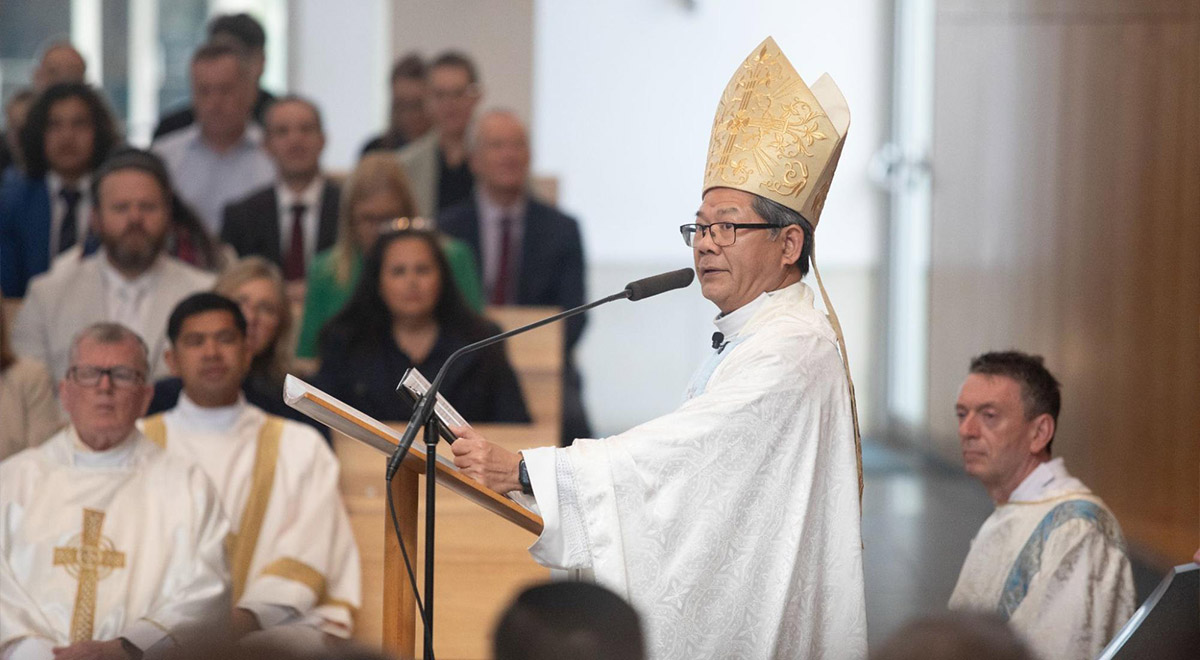
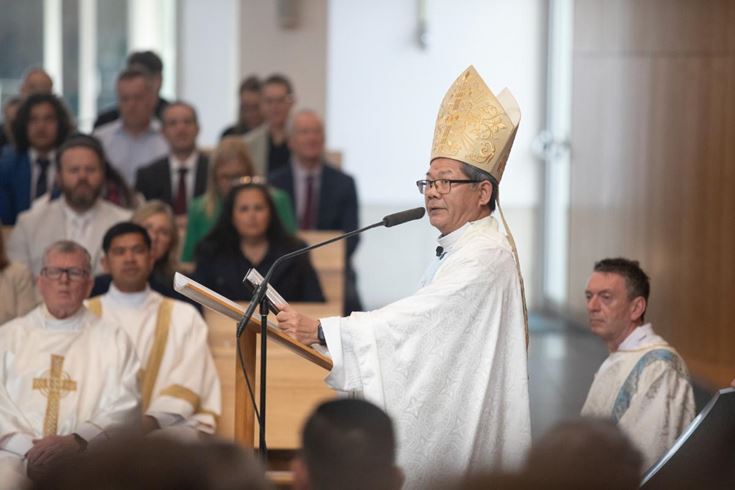
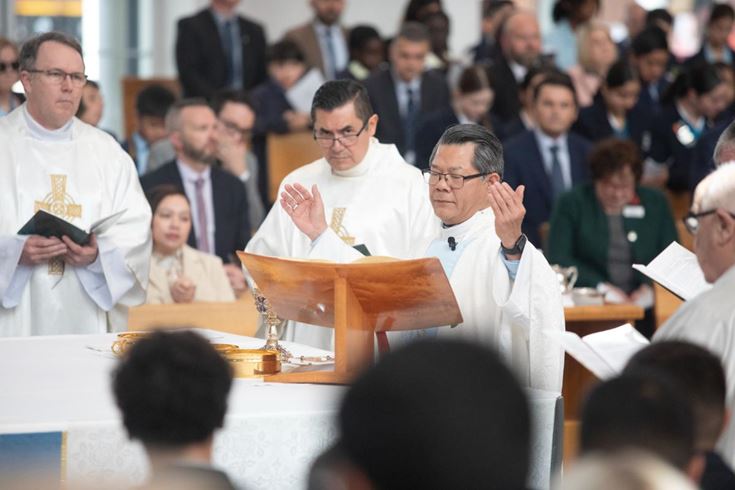
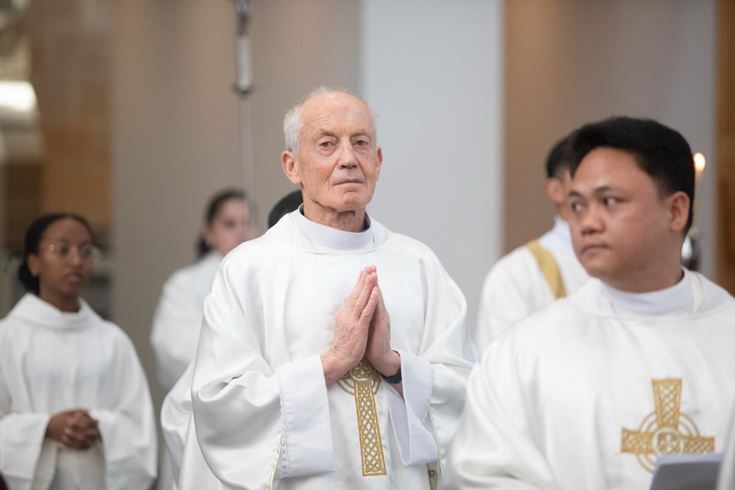
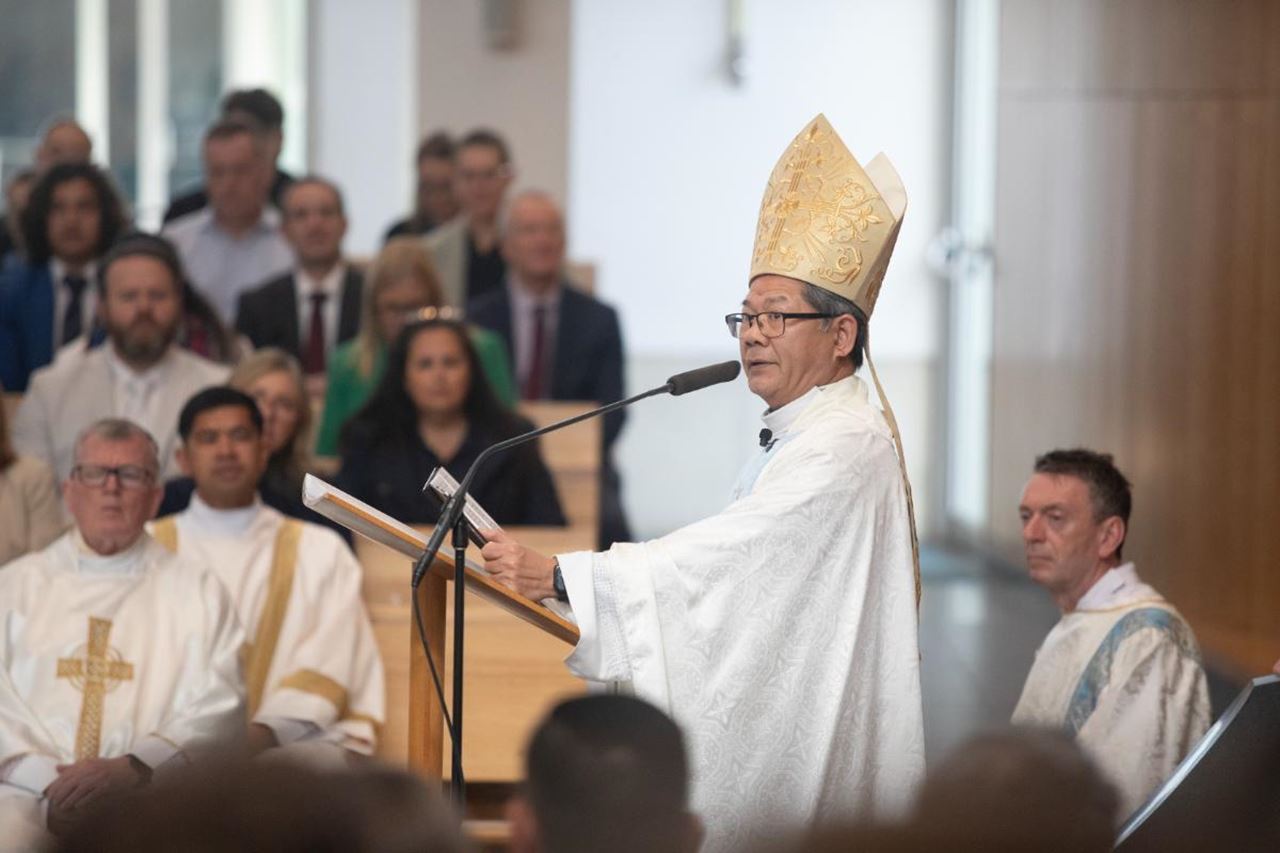
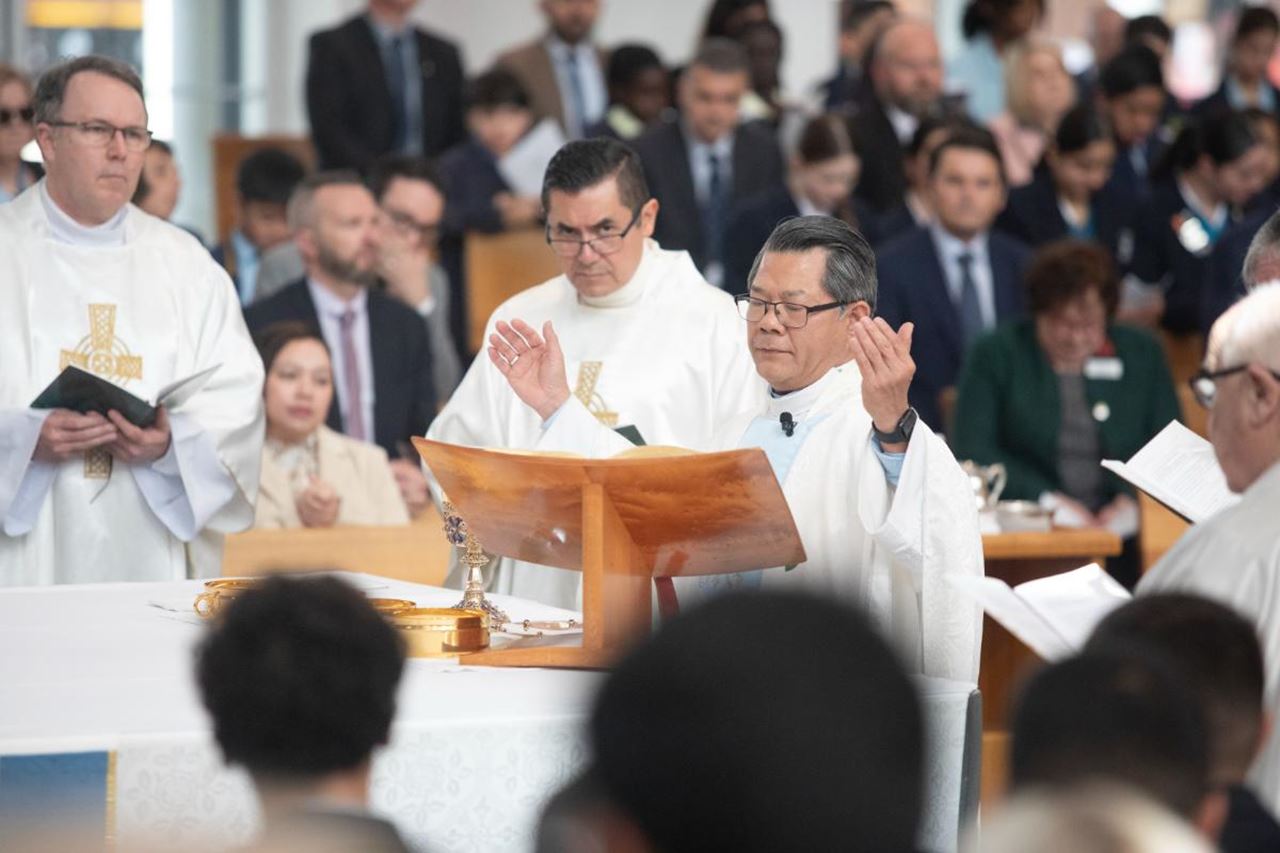
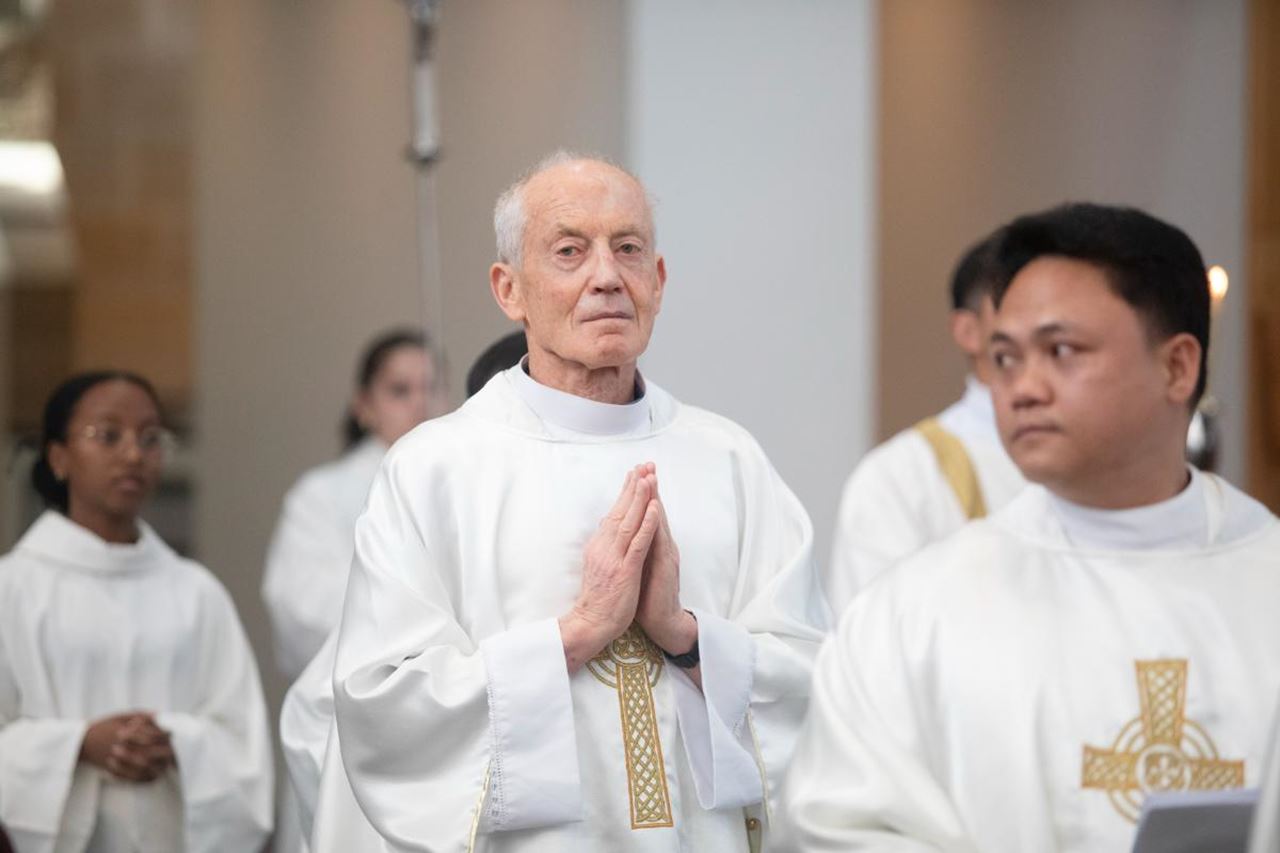
Held at St Patrick’s Cathedral Parramatta, the Mass was led by Bishop Vincent Long OFM Conv and celebrated the Feast of the Queenship of the Blessed Virgin Mary. In his inspiring Homily, Bishop Vincent said the Mass was a renewal of our commitment to follow the example of Mary in our lives and be bearers of her son Jesus’ good news.
“Blessed Virgin Mary is the prototype of the normal disciple,” Bishop Vincent said.
She exemplifies closeness with the poor, solidarity with the needy, compassion for the afflicted. Like Mary, we must be totally permeated by the Holy Spirit. We must be consumed by action for God's Kingdom – Mary is the sign of hope for humanity.
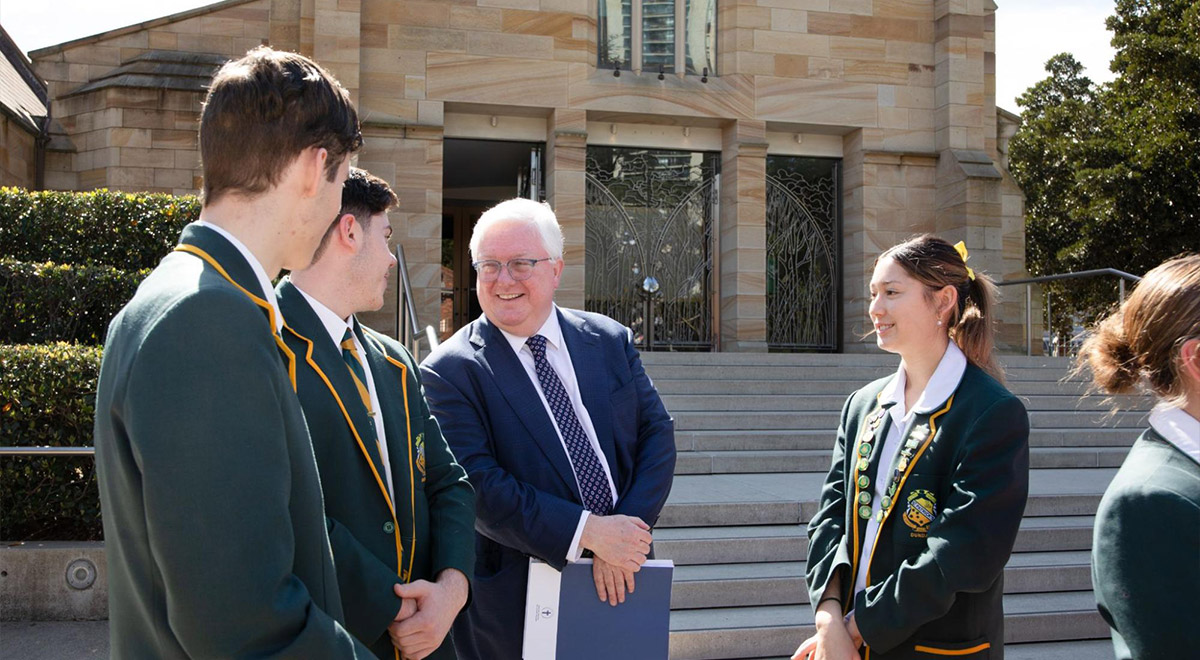
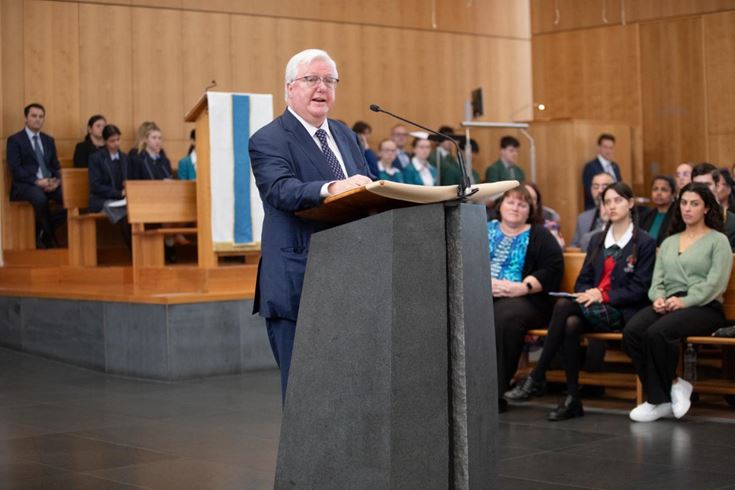
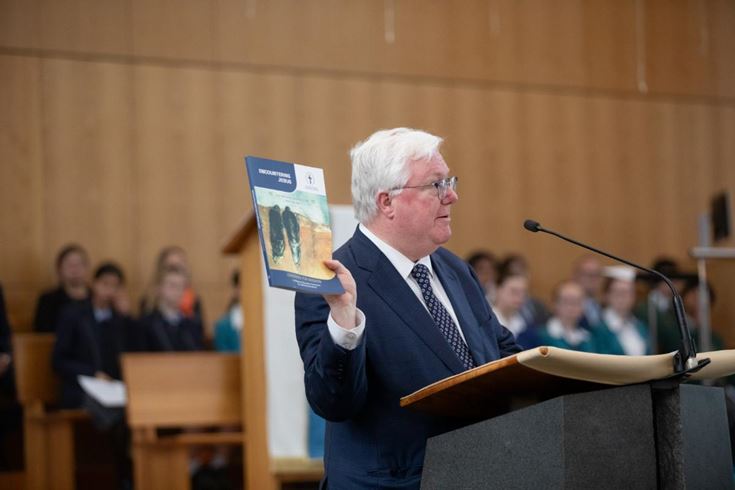
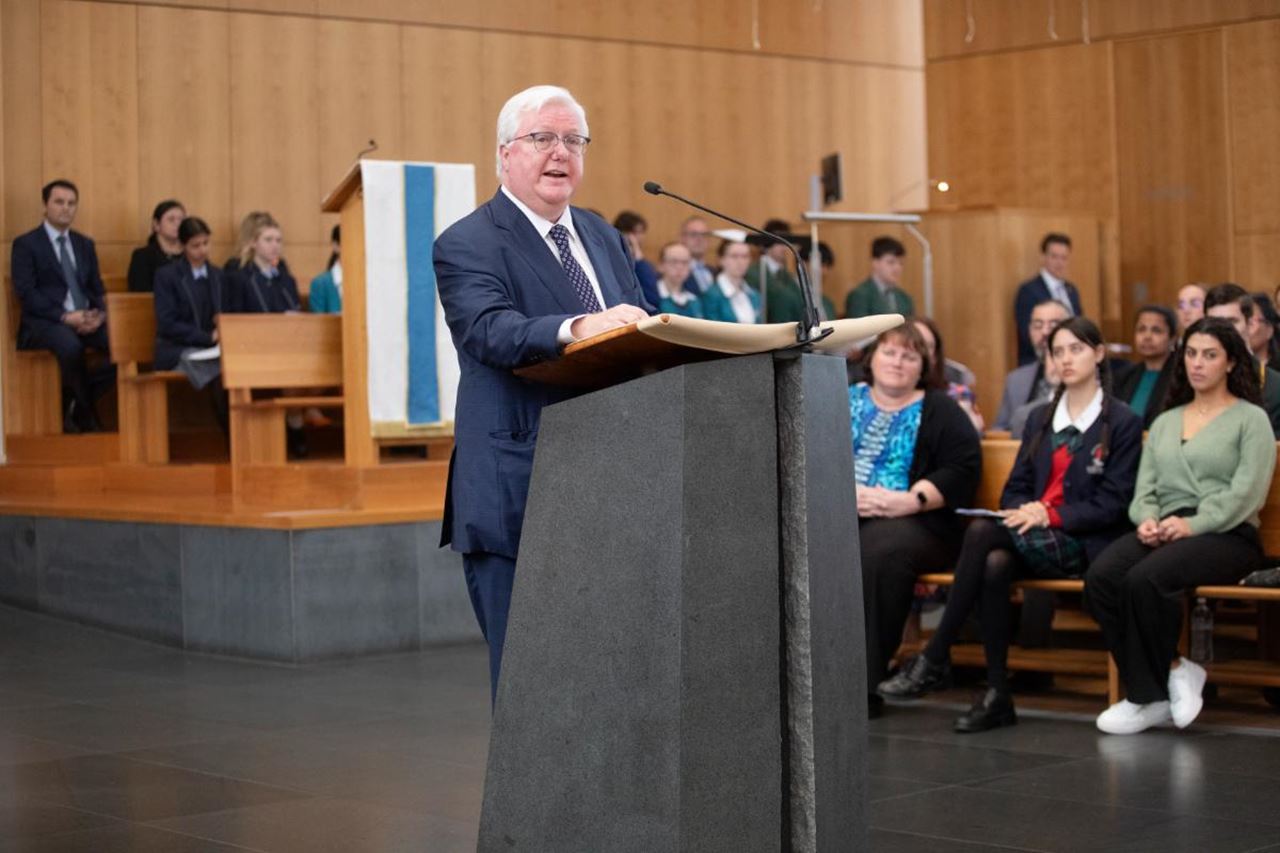
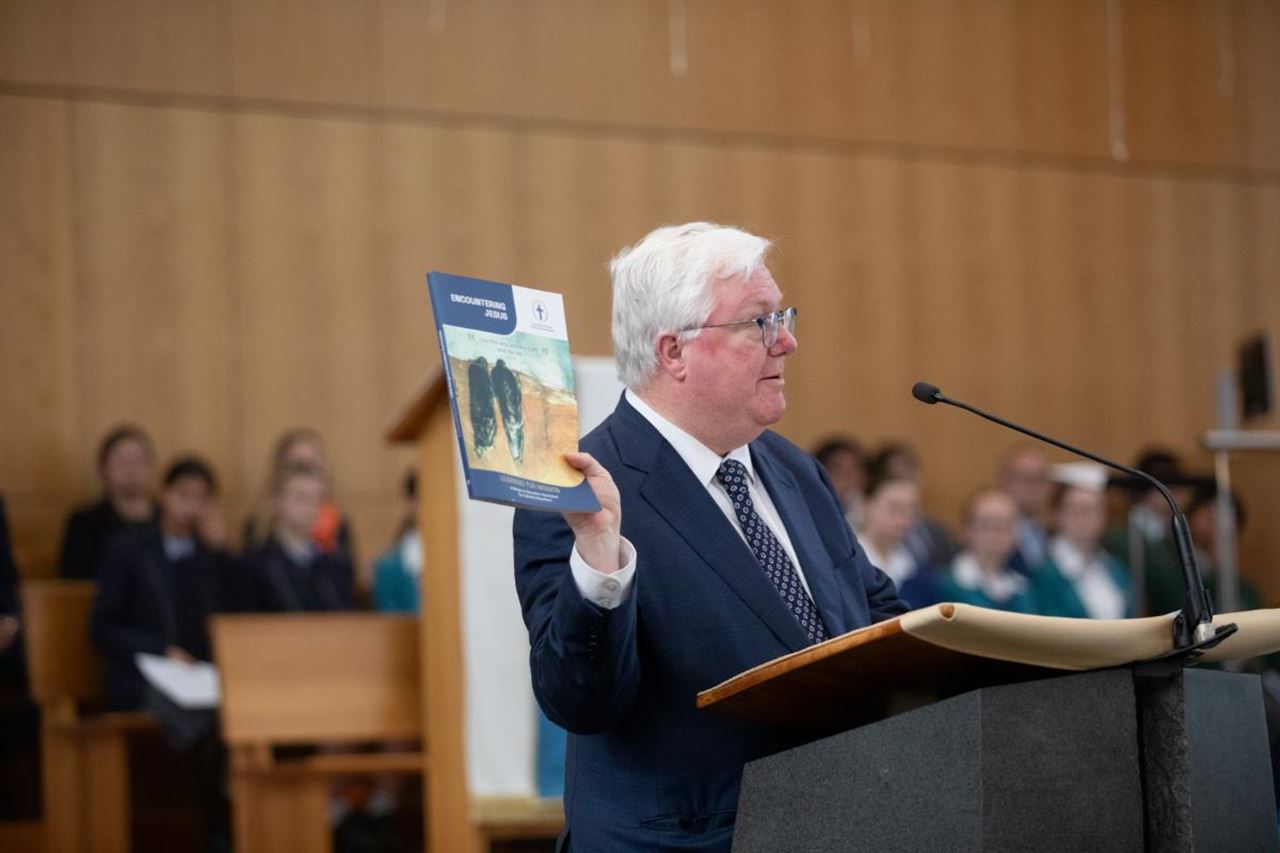
In his address, Executive Director Jack de Groot reflected on his own experience of mission and service while announcing CSPD’s new Religious Education curriculum Encountering Jesus.
“When I think about why my work has always taken me to places of service, I can pinpoint two things: my education and my faith,” said Jack.
“When my parents chose to send me to a Catholic school, they knew they wanted to provide me with an excellent education grounded in Catholic tradition. They wanted me to experience opportunities to put my faith into action and to live it out within the community.”
Jack said his hope is that the new Religious Education curriculum builds on and reflects this same intention families have for their children at our schools.
“Encountering Jesus reflects our intention for all students to have a deep encounter with the person and message of Jesus Christ, to really get to know and love Jesus. To see Him in others, and to be Him to others,” he said.The curriculum has been endorsed by Bishop Vincent along with Australian and international Catholic theologians and educators.
“Encountering Jesus isn't so much about learning some external rules; it is to internalise the experience of encountering, knowing, loving and serving Christ,” Bishop Vincent said.
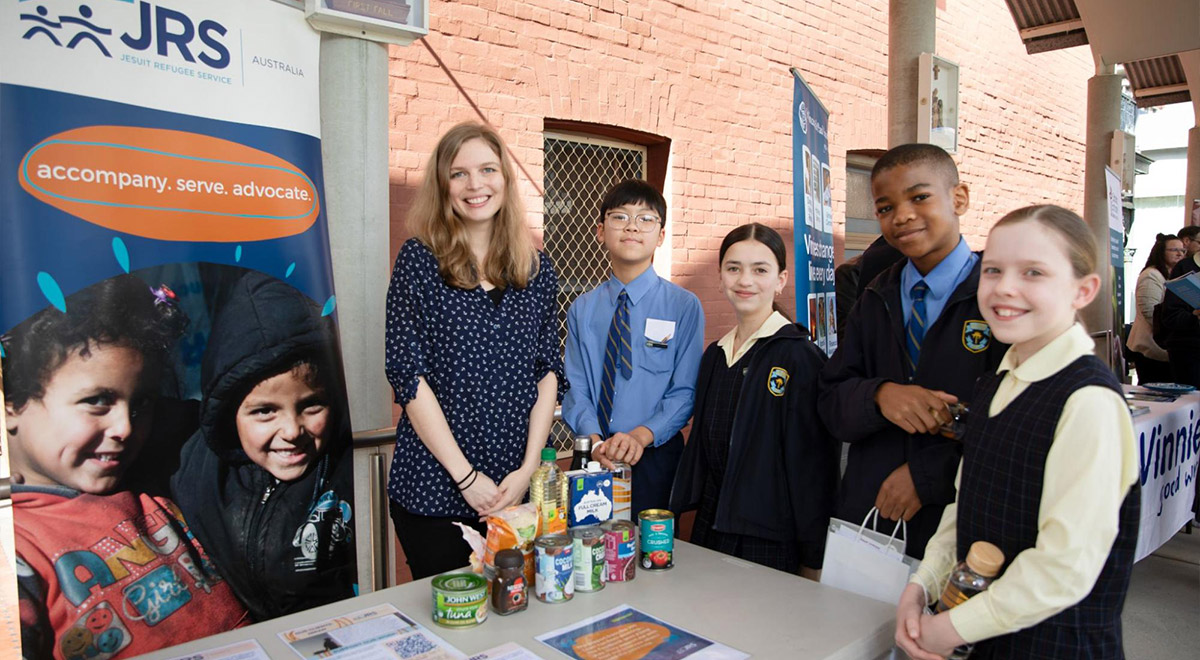
Following the Mass, participants were invited to explore the Mission Agency Expo. The expo highlights the work of the many expressions of faith and service that are already present in our learning communities, including Catechist teaching in local government primary schools, Eucharistic minister training, as well as advocacy and support of church agencies such as Mercy Works, St Vincent de Paul and Jesuit Refugee Services.
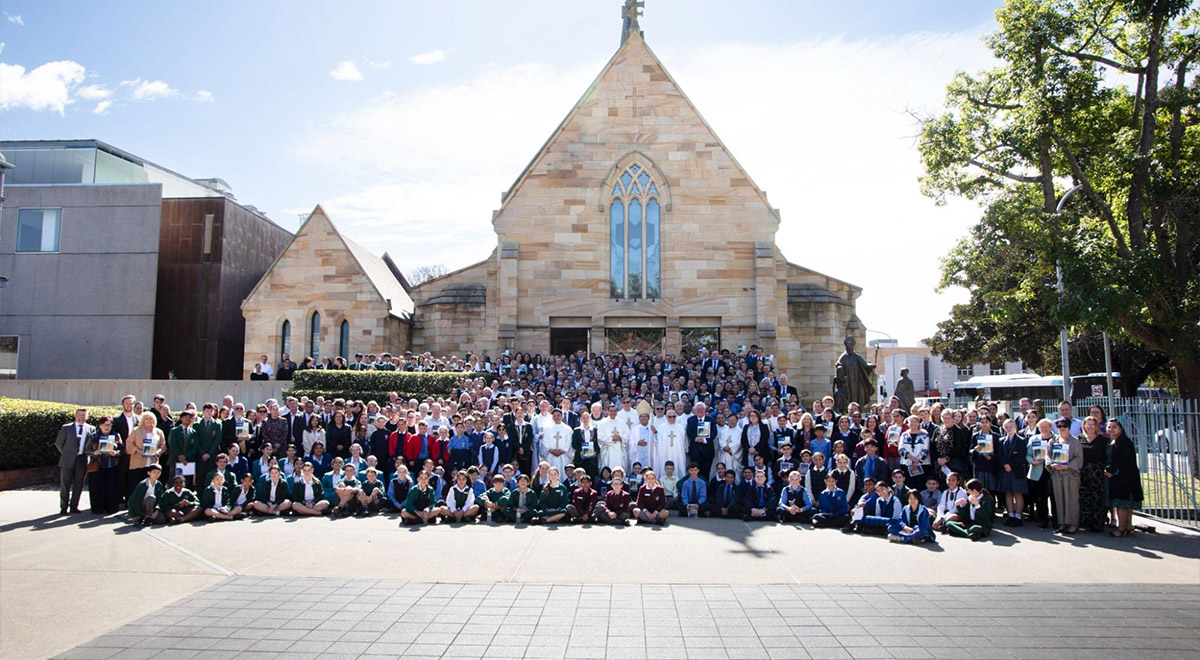
“Today’s celebration was a significant moment in the life of our Diocese,” said Andrew Wilson, CSPD’s Head Mission. “Encountering Jesus will provide our students with an opportunity to come to know Jesus and to grow in their understanding of the Catholic faith. I am excited to work with our teachers and leaders, and to hear how our students are putting their learning into practice in their communities.”
Learn more about the Religious Education Curriculum.
View photos from this event View full gallery

Catholic Schools Parramatta Diocese
www.parra.catholic.edu.au
-
23 Oct 2026
From Facebook
Mission to Busk is on today. If you are unable to attend and would like to donate to Carmel Impact use the link in the comments.
Latest News More news
23 Oct 2026
From Facebook
Mission to Busk is on today. If you are unable to attend and would like to donate to Carmel Impact use the link in the comments.
20 Oct 2026
From Facebook
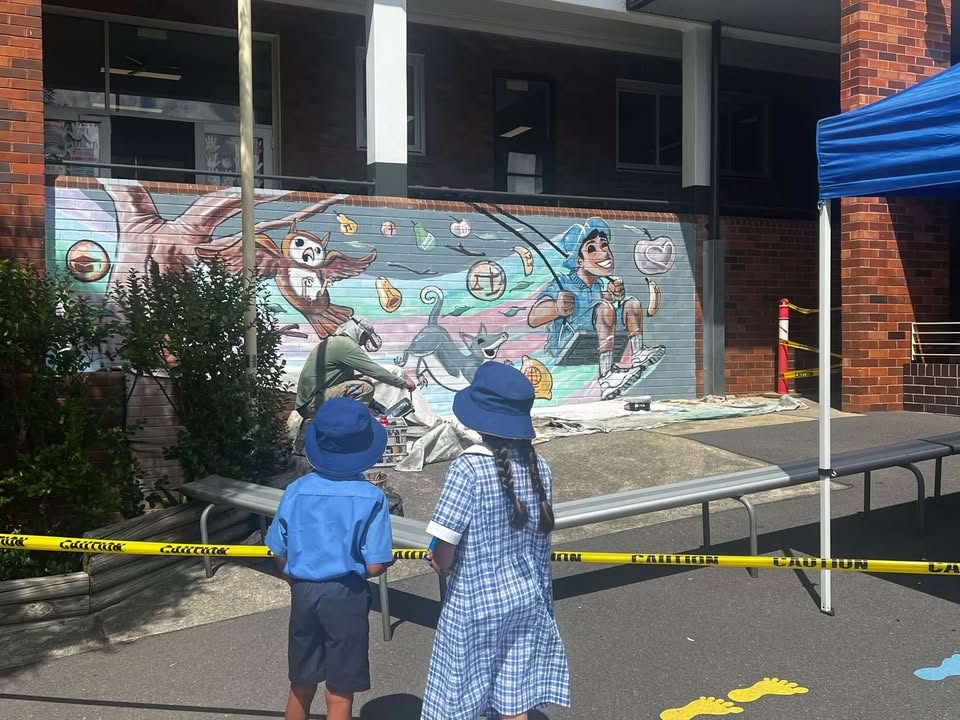
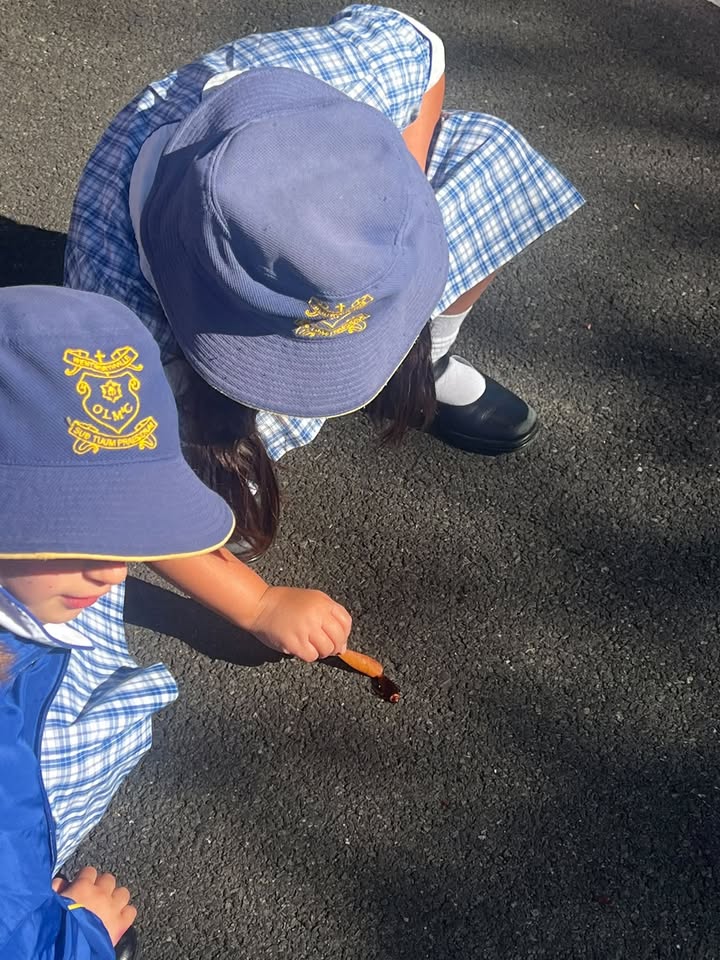
Sometimes the creepy crawlies captivate the children. #PlaygroundExplorers
18 Oct 2026
From Facebook
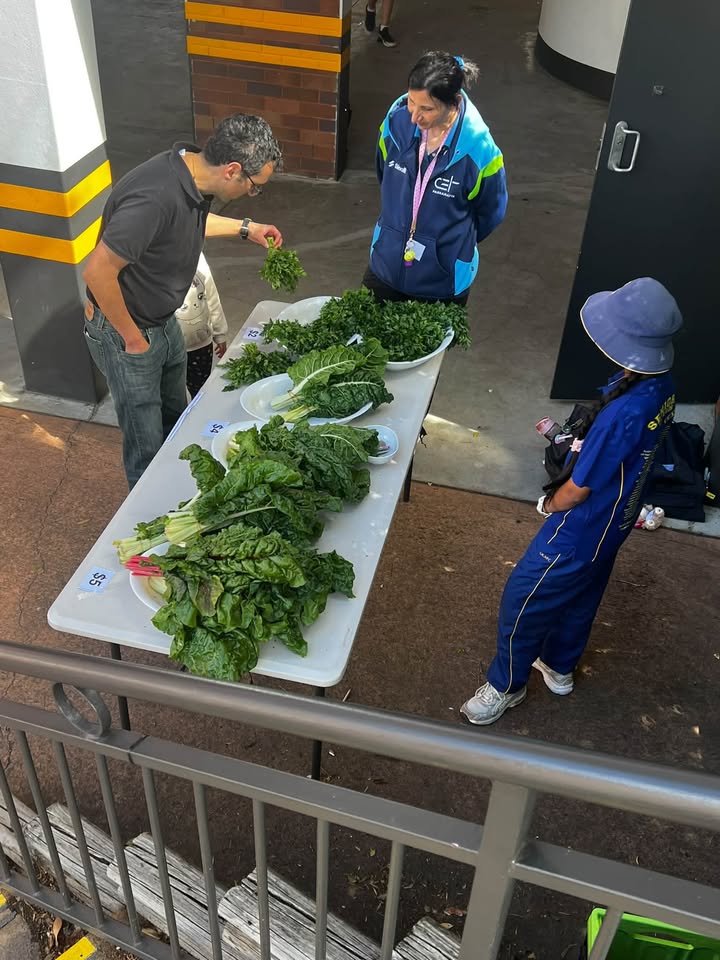
The OLMC Pop-up Veggie Stall 🥦 is open. Our garden team are selling their produce today. All proceeds supporting Carmel Impact.

14 Oct 2026
From Facebook
If you are looking to support breast cancer research you might like to attend this event.

28 Sep 2026
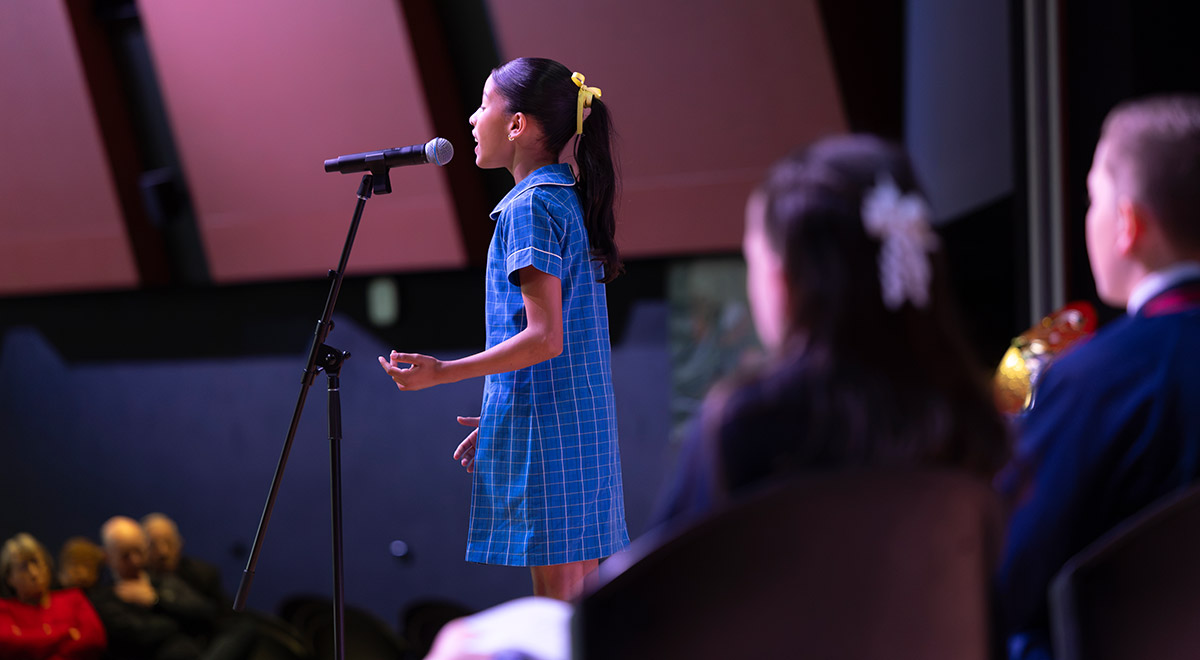
Celebrating 40 years of Voice of Youth and the power of student voice
Six Year 6 students from 58 Catholic Schools Parramatta Diocese (CSPD) Primary schools came together at St John XXIII Catholic College Stanhope Gardens on 22 September for the Voice of Youth Grand Final, showcasing their public speaking skills through a series of thoughtful and engaging speeches.
28 Aug 2026
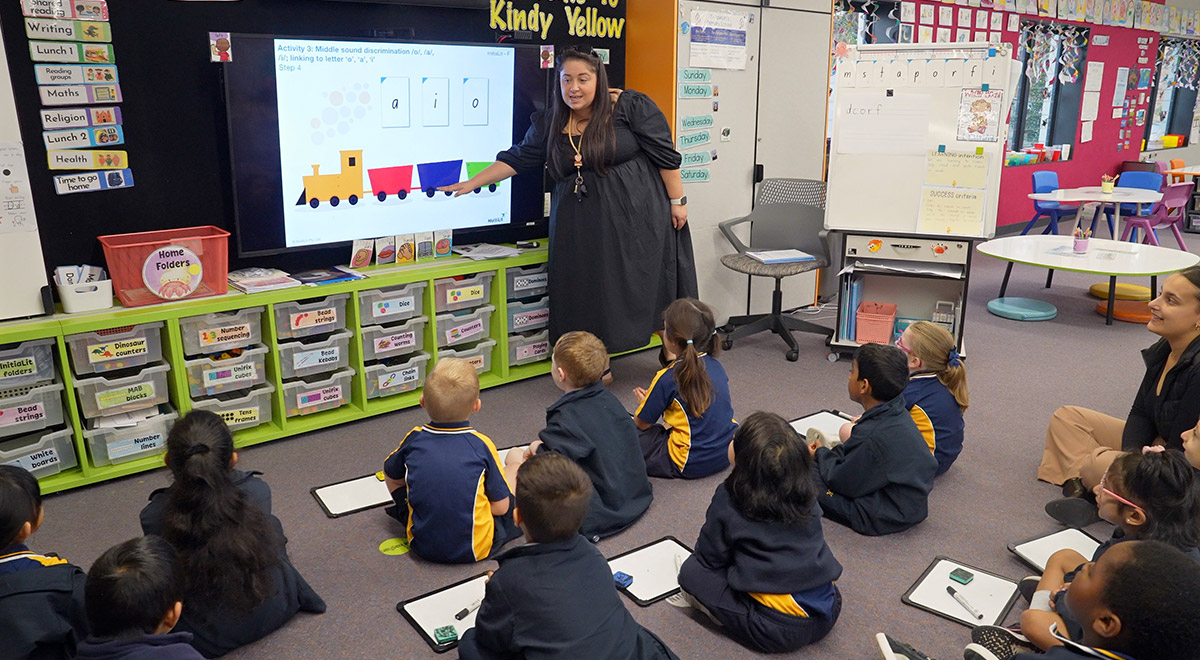
Our schools are cracking the reading code
Do you remember how you learned to read? For a vital skill that is linked to all other learning, it’s surprisingly difficult to explain how to go about learning it.

20 Aug 2026
Six Habits That Help Children Develop a Love of Reading
Book Week is a celebration of stories, imagination and creativity, but helping children love reading isn't just something that happens during one week of the year. The good news? It doesn't take expensive resources or hours of extra time. Often, it's the small, everyday habits that make the biggest difference.
15 Aug 2026