

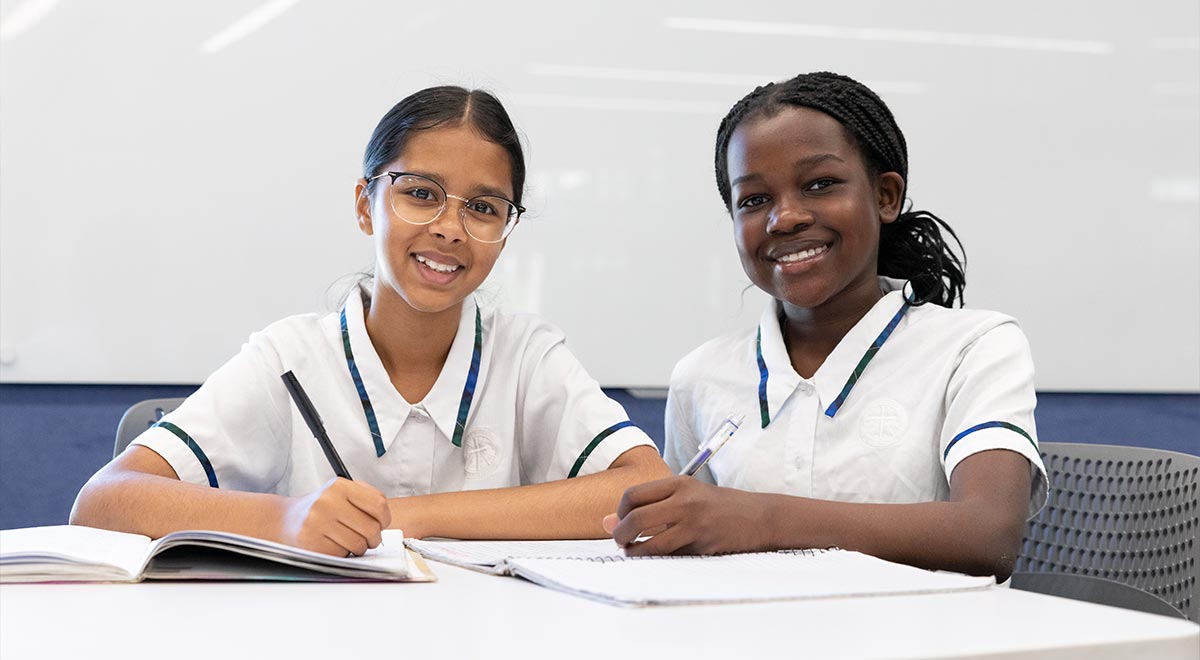
Nagle College Blacktown has announced the launch of the “Christine Howe STEM Academic Scholarship”, a new opportunity designed to support and inspire young women passionate about STEM (science, technology, engineering and mathematics).
Students enrolling in Year 7 from 2026 are eligible to apply for the scholarship, which reflects the College’s ongoing commitment to excellence in learning within a supportive Catholic community.
Recipients of the scholarship will not only receive either a full or partial discount on College tuition fees, but will join the specialised “Lumen Mathematics” class. Students in this class are selected for their exceptional skill in numeracy and are provided with advanced programs and enrichment opportunities that nurture curiosity, creativity and problem-solving skills. Both the scholarship and Lumen Class aim to open pathways for girls to explore STEM fields with confidence, preparing them for future study and leadership in a rapidly evolving world.
Deborah Scollard, Interim Principal, says the scholarship embodies the College’s mission to educate the whole person in the tradition of Nano Nagle, an Irish Catholic education pioneer known as the “Lady of the Lantern.”
“Students are encouraged to let their light shine by using their gifts and talents to make a difference in their communities and beyond. The scholarship also highlights our belief here at Nagle, that every child deserves the chance to thrive, regardless of circumstance,” Deborah said.
“By supporting excellence and opportunity in STEM, the College continues its proud legacy of empowering young women to shape the future with faith, purpose and compassion.”
Applications are now being accepted for the Christine Howe STEM Academic Scholarship.
Express your interest and find out more
ABOUT CHRISTINE HOWE OAM
A brilliant mathematician, Christine Howe OAM excelled throughout her early studies, completing a Masters of Education at the Australian Catholic University, as well as a Bachelor of Science (Honours) at the University of New South Wales where she received the University Medal and the coveted RJ Webster Prize for the best undergraduate thesis.
After beginning her own education at St Monica’s Primary North Parramatta, Christine’s career in secondary teaching also commenced locally in 1984 when she began work at Parramatta Marist High School. In 2001, she was appointed Principal of Caroline Chisholm College Glenmore Park, where she served for more than a decade and graduated over 1000 students.
Christine progressed to a series of senior leadership roles within Catholic Schools Parramatta Diocese, most recently working as Director Learning and Deputy Executive Director. Christine was recognised in the 2021 Queen’s Birthday Honours, receiving a Medal of the Order of Australia (OAM) for her service to secondary education.

Christine Howe OAM

Catholic Schools Parramatta Diocese
www.parra.catholic.edu.au
-

30 Nov 2025
From Facebook
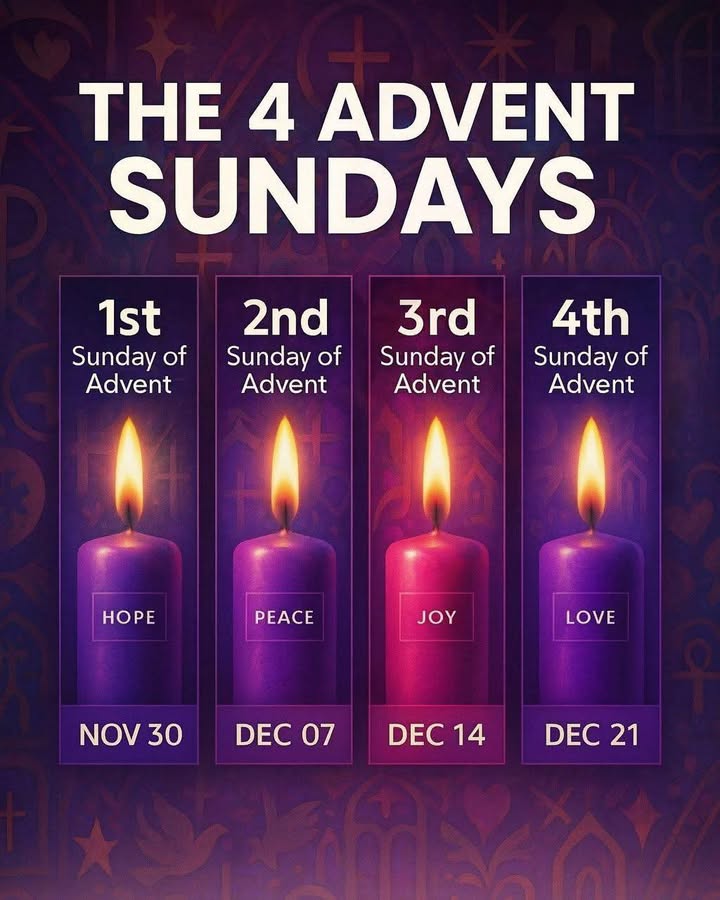
Understanding the Four Sundays of Advent Advent is one of those seasons that looks quiet on the surface—candles, soft hymns, purple vestments—but underneath, it carries an intensity that most people overlook. It isn’t just a countdown to Christmas. It is a training ground for the soul, a step-by-step interior journey that shapes the heart to receive Christ in a way that is deliberate, intelligent, and spiritually awake. Each of the four Sundays has its own theme: Hope, Peace, Joy, and Love. These aren’t random virtues placed in a nice order. They form a progression. Like an ascending staircase, each one becomes possible only because the previous one is accepted and lived. 1. First Sunday: Hope (NOV 30) Hope is not optimism, and it’s not a mood. In Christian theology, hope is a decision of the will to trust that God keeps His promises—even when the evidence looks thin or life feels chaotic. Advent starts here because nothing deep in the spiritual life even begins without hope. You can’t repent, can’t grow, can’t pray meaningfully unless you trust that the God you’re turning toward actually meets you. 2. Second Sunday: Peace (DEC 07) Once hope is established, peace becomes possible. And peace here isn’t emotional calm; it’s inner order. It means putting God in the center so that everything else—work, family, stress, desires, plans—moves into the right place. A person without hope has no peace, because their world is always wobbling on unstable ground. Advent’s second stage asks the believer to let God rearrange the inside of their life. 3. Third Sunday: Joy (DEC 14) Joy is not pleasure, and it isn’t excitement. Joy is what happens when peace becomes stable. It is the interior buoyancy that comes from knowing that one’s life is anchored in something far bigger and far more solid than circumstances. This is why Gaudete Sunday uses rose-colored vestments: the Church gives a small burst of celebration as a reminder that God’s grace is actively at work. Joy is the fruit of a life rooted in trust. 4. Fourth Sunday: Love (DEC 21) Love is placed last because authentic love requires transformation. Anyone can feel affection, but Christian love is not a feeling; it is self-giving. It is the willingness to put oneself at the service of God and neighbor, even when it costs something. Love is the summit of Advent because it prepares the heart for Christmas itself: God’s ultimate act of love revealed in the Incarnation. Why This Sequence Matters Advent teaches a psychological and spiritual truth: the soul does not leap to holiness—it grows in layers. Hope strengthens the will. Peace stabilizes the interior world. Joy energizes the heart. Love directs that energy outward. This movement transforms Christmas from a holiday into a revelation. Instead of merely celebrating the birth of Christ, Advent trains the believer to receive Him.
Latest News More news
30 Nov 2025
From Facebook
Understanding the Four Sundays of Advent Advent is one of those seasons that looks quiet on the surface—candles, soft hymns, purple vestments—but underneath, it carries an intensity that most people overlook. It isn’t just a countdown to Christmas. It is a training ground for the soul, a step-by-step interior journey that shapes the heart to receive Christ in a way that is deliberate, intelligent, and spiritually awake. Each of the four Sundays has its own theme: Hope, Peace, Joy, and Love. These aren’t random virtues placed in a nice order. They form a progression. Like an ascending staircase, each one becomes possible only because the previous one is accepted and lived. 1. First Sunday: Hope (NOV 30) Hope is not optimism, and it’s not a mood. In Christian theology, hope is a decision of the will to trust that God keeps His promises—even when the evidence looks thin or life feels chaotic. Advent starts here because nothing deep in the spiritual life even begins without hope. You can’t repent, can’t grow, can’t pray meaningfully unless you trust that the God you’re turning toward actually meets you. 2. Second Sunday: Peace (DEC 07) Once hope is established, peace becomes possible. And peace here isn’t emotional calm; it’s inner order. It means putting God in the center so that everything else—work, family, stress, desires, plans—moves into the right place. A person without hope has no peace, because their world is always wobbling on unstable ground. Advent’s second stage asks the believer to let God rearrange the inside of their life. 3. Third Sunday: Joy (DEC 14) Joy is not pleasure, and it isn’t excitement. Joy is what happens when peace becomes stable. It is the interior buoyancy that comes from knowing that one’s life is anchored in something far bigger and far more solid than circumstances. This is why Gaudete Sunday uses rose-colored vestments: the Church gives a small burst of celebration as a reminder that God’s grace is actively at work. Joy is the fruit of a life rooted in trust. 4. Fourth Sunday: Love (DEC 21) Love is placed last because authentic love requires transformation. Anyone can feel affection, but Christian love is not a feeling; it is self-giving. It is the willingness to put oneself at the service of God and neighbor, even when it costs something. Love is the summit of Advent because it prepares the heart for Christmas itself: God’s ultimate act of love revealed in the Incarnation. Why This Sequence Matters Advent teaches a psychological and spiritual truth: the soul does not leap to holiness—it grows in layers. Hope strengthens the will. Peace stabilizes the interior world. Joy energizes the heart. Love directs that energy outward. This movement transforms Christmas from a holiday into a revelation. Instead of merely celebrating the birth of Christ, Advent trains the believer to receive Him.
29 Nov 2025
From Facebook
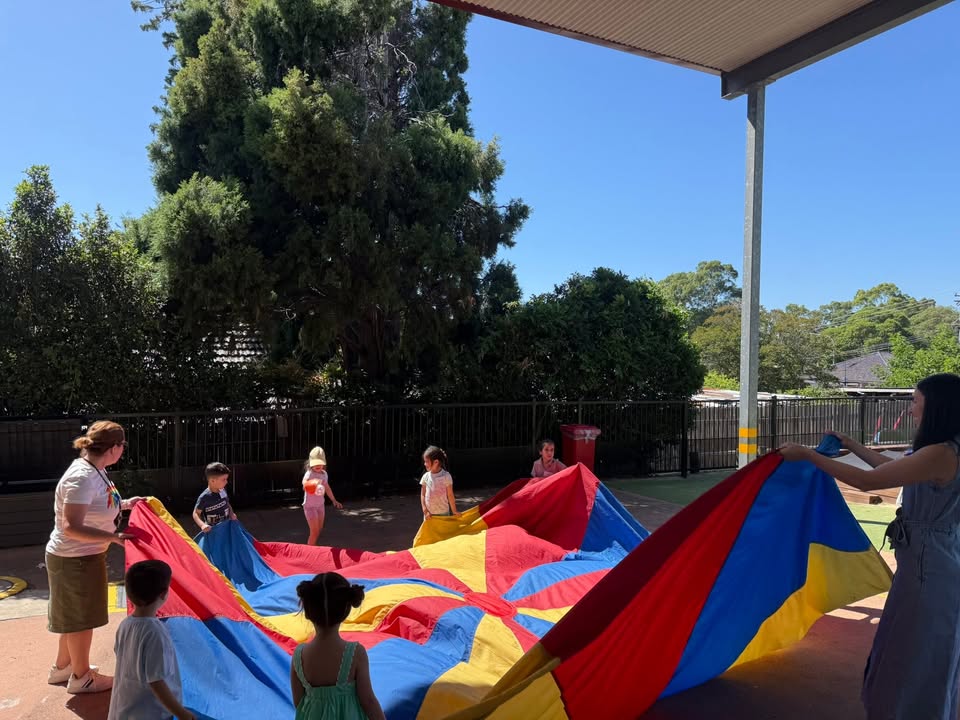
On the final morning of playgroup we’d like to thank all of our parents for making the time to attend both the student and parent sessions. We’ve had a marvelous time meeting our new family members for 2026. A special thanks to the staff who support through playgroup and parent information sessions. See you all in 2026 💙💛💙💛
27 Nov 2025
From Facebook
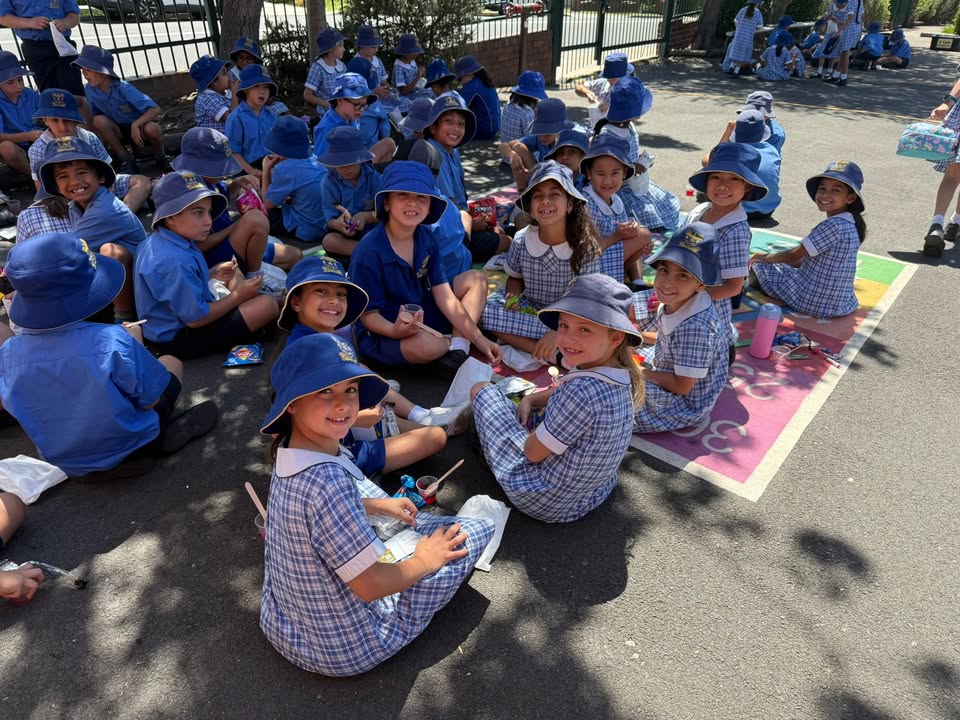
Today Miss Pirovic hosted 133 students at her Principals Morning Tea (with more to come next week). We congratulate all students for their persistence towards excellence in their academic, social, emotional and/or spirtual learnings over the course of 2025 💛💙💛💙
26 Nov 2025
From Facebook
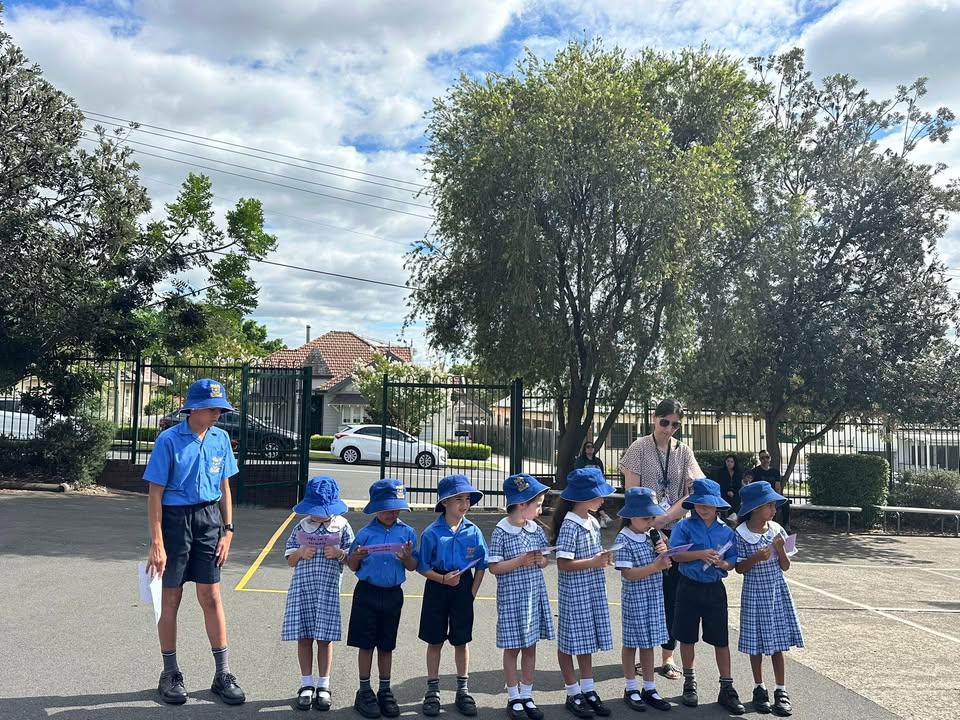
Thank you to KG for leading us in prayer to celebrate the Feast of Jesus Christ, King of the Universe during our Week 7 assembly 👑 Our morning was full of celebrations for our achievements. From merits to star cards, to uniforms, sporting and music, students at OLMC truly shine ✨
25 Nov 2025
From Facebook
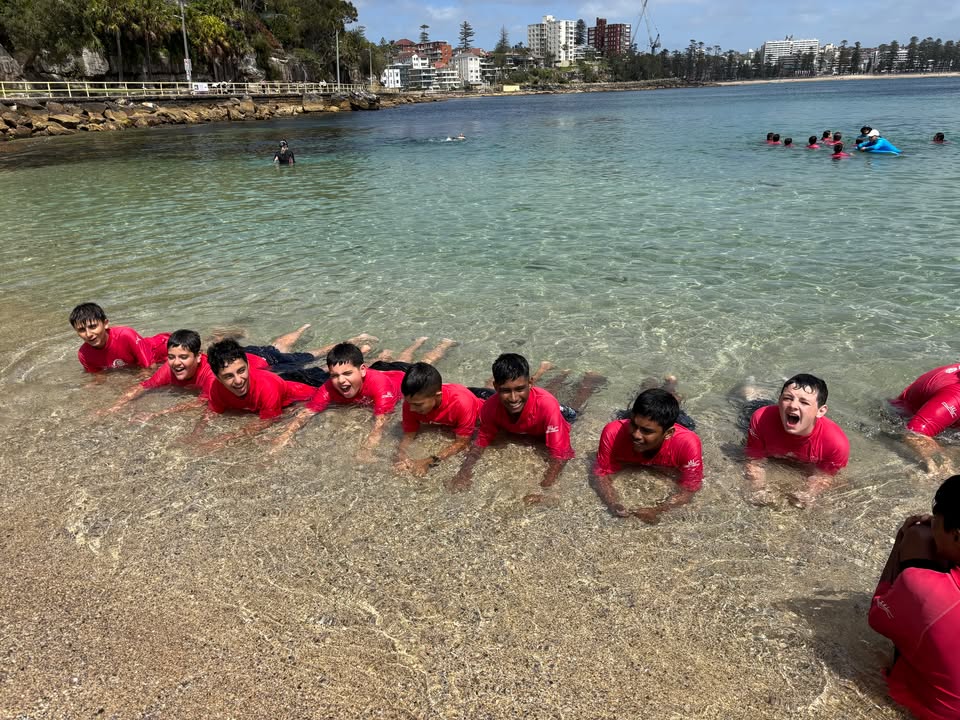
On Friday, 14th November, Stage Three students enjoyed an action-packed and memorable day at Manly and Shelly Beach. Throughout the day, students took part in engaging Surf Awareness discussions and learned how to identify rips and respond safely in different situations. They also completed a still-water assessment and practised essential survival skills. The fun continued as students paddled foam surfboards, caught waves, and learned how to negotiate the surf with confidence. Body surfing proved to be a highlight, with plenty of laughter and cheering from the shore. It was a fantastic day of learning, teamwork and beachside fun—one the students won’t soon forget! A very big thank you to all our teachers and parents who came and assisted on the day.


20 Nov 2025
From Facebook
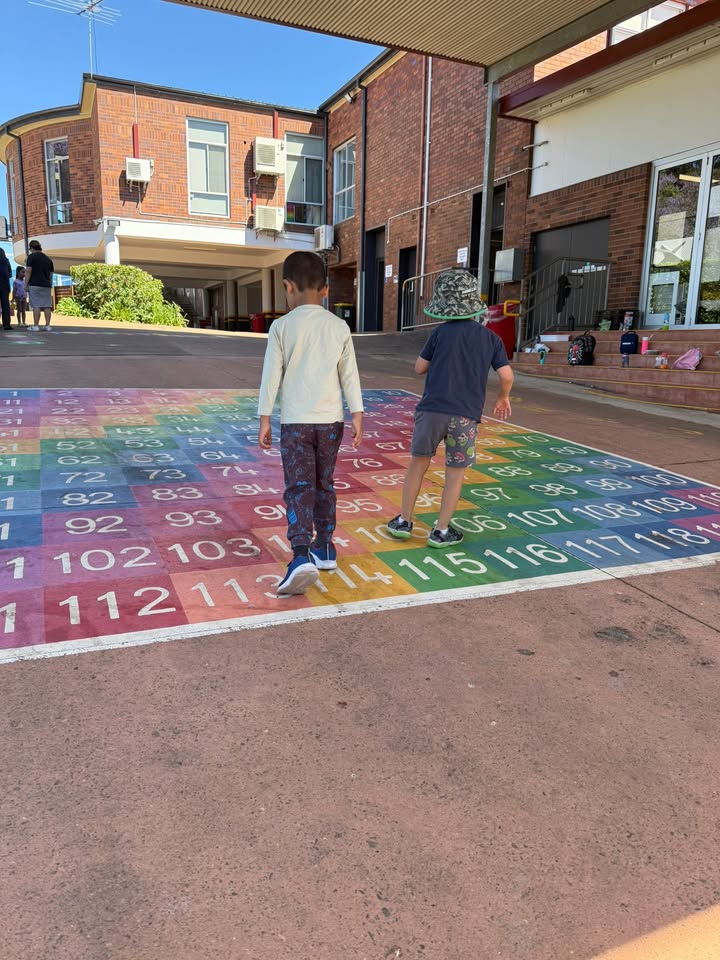
🎉 Kindergarten Reward Day Fun! 🎉 Yesterday we celebrated an amazing year of learning and growth with our Kindergarten Reward Day Party! From a magical balloon show to musical chairs, face painting and lots of smiles, it was a joyful day filled with colour, laughter and celebration. Thank you to our wonderful parent helpers and to all our students for bringing their best party spirit! 💛
19 Nov 2025
From Facebook
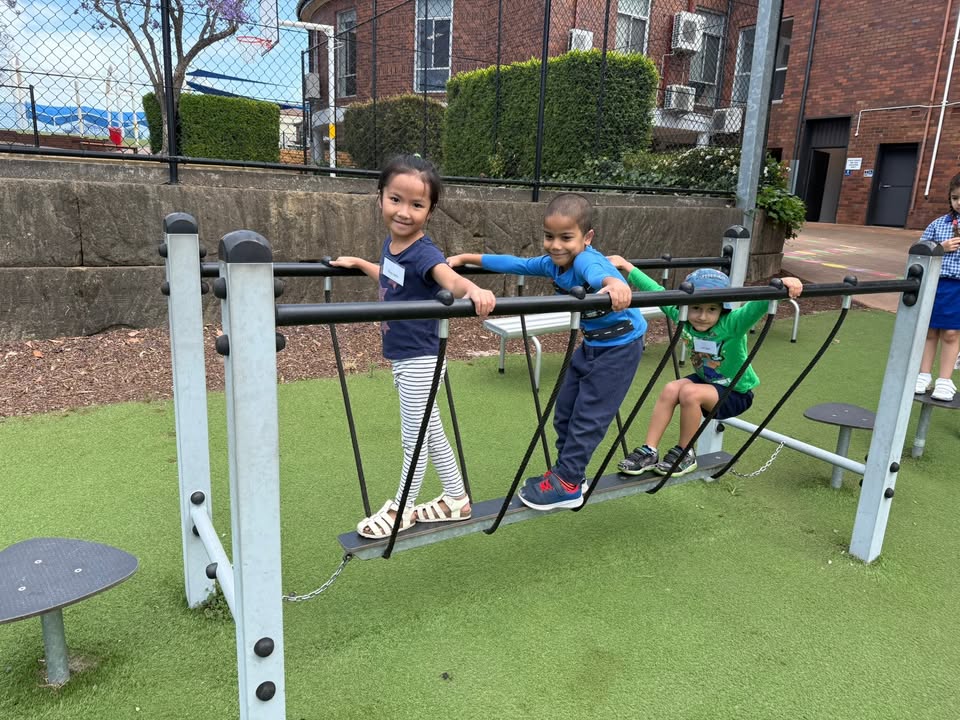
Our Playgroup is so much more than a fun morning together, it’s the very beginning of each child’s learning journey in our school community. Through play, children build the foundations for social, emotional and academic growth. They learn how to take turns, share, solve problems, use their imagination, build confidence, and develop the early language and motor skills that set them up for success in Kindergarten and beyond. We love seeing our future Kindy students laugh, discover and grow each week. 💛🩵

18 Nov 2025
Western Sydney Catholic Schools hold the phone
Student mobile phone use will be banned across 80 Western Sydney Catholic schools from the beginning of the 2026 school year. The restriction presents a positive opportunity to enhance student outcomes, both in academic excellence and wellbeing.
14 Nov 2025
From Facebook
Today a new group of eager Kindy starters arrived for their second round of Playgroup 🌺🩷⚽️🧱 Playgroup is intentionally designed to support our youngest learners as they transition into big school. Through play, children learn how to share, negotiate, take turns and build relationships, all essential foundations for positive social development. Play also lays the groundwork for academic success. As children engage in hands-on activities, they develop early literacy and numeracy skills, strengthen their problem-solving abilities, and learn to follow routines and instructions in a safe and supportive environment. Most importantly, play allows children to feel confident, curious and ready to learn.
14 Nov 2025
From Facebook
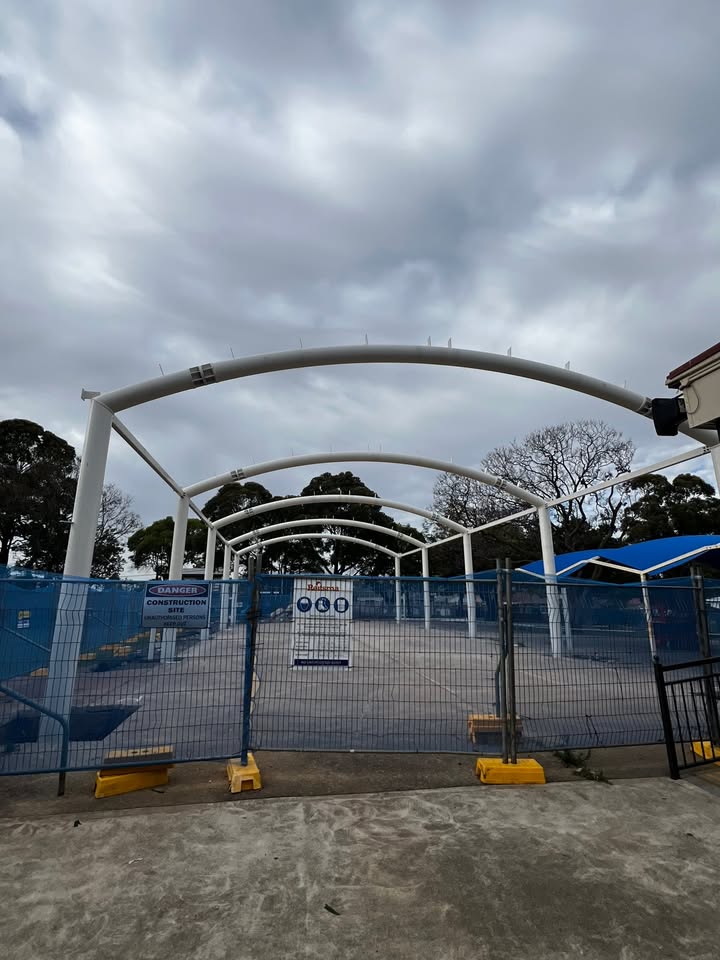
This week has seen a dramatic change with the frame of the new COLA going up. The children were excited to see the big crane in action.